Electronic Configuration

Electronic Configuration

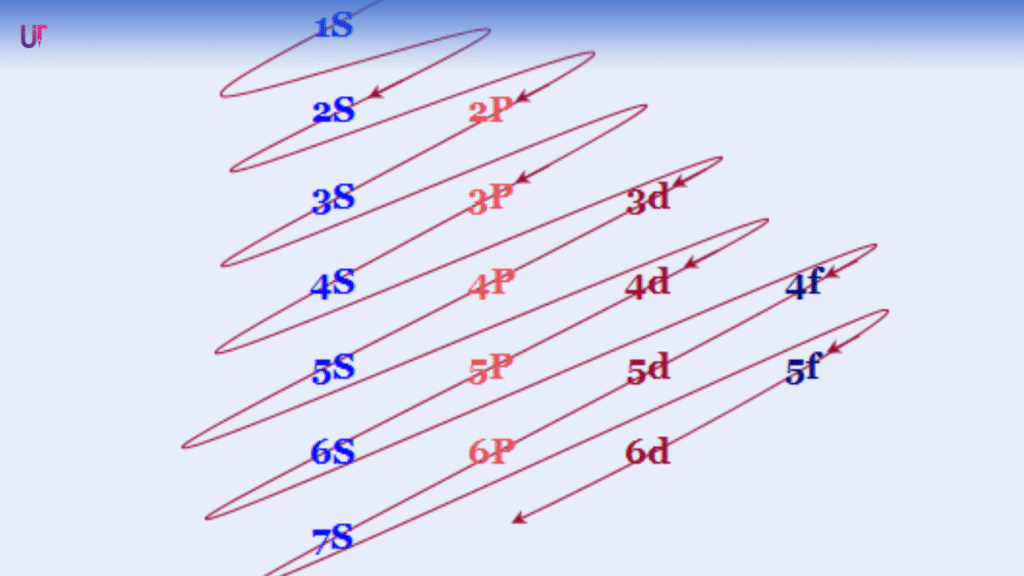
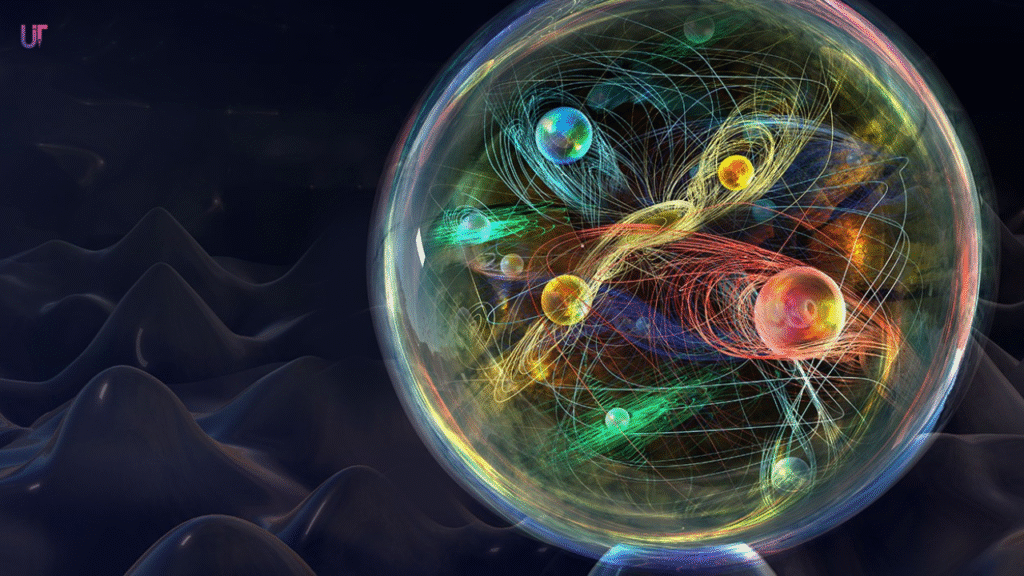
Every atom is like a miniature solar system.At its center lies the nucleus, dense and powerful.Orbiting it are electrons — tiny particles moving in organized layers called shells or energy…
The Chandrasekhar Limit

The Chandrasekhar Limit

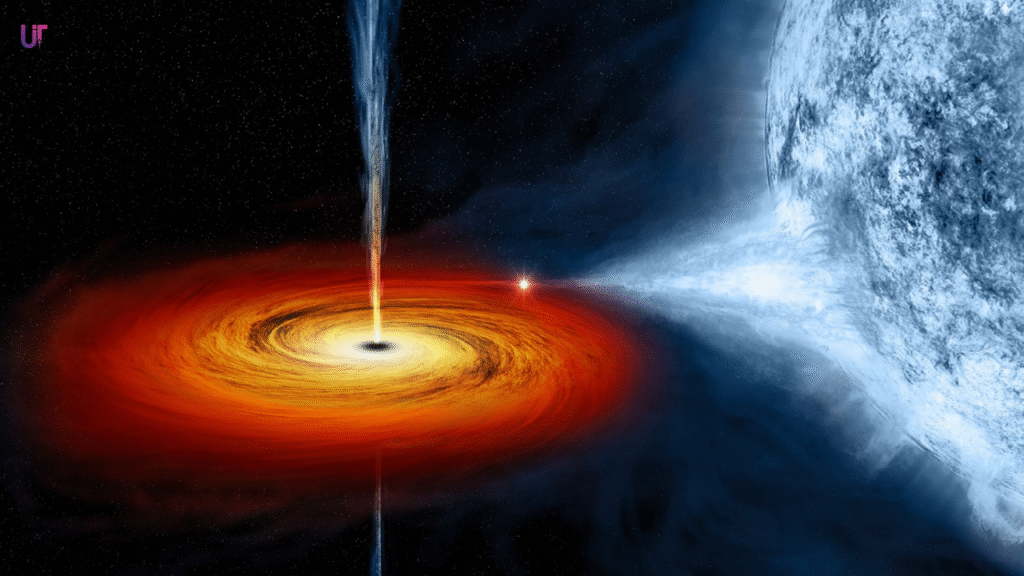
Every star has a destiny written in its mass.Some fade gently into white dwarfs.Others collapse into black holes.And between these two fates lies a cosmic boundary — the Chandrasekhar Limit.…
55 Cancri e

55 Cancri e

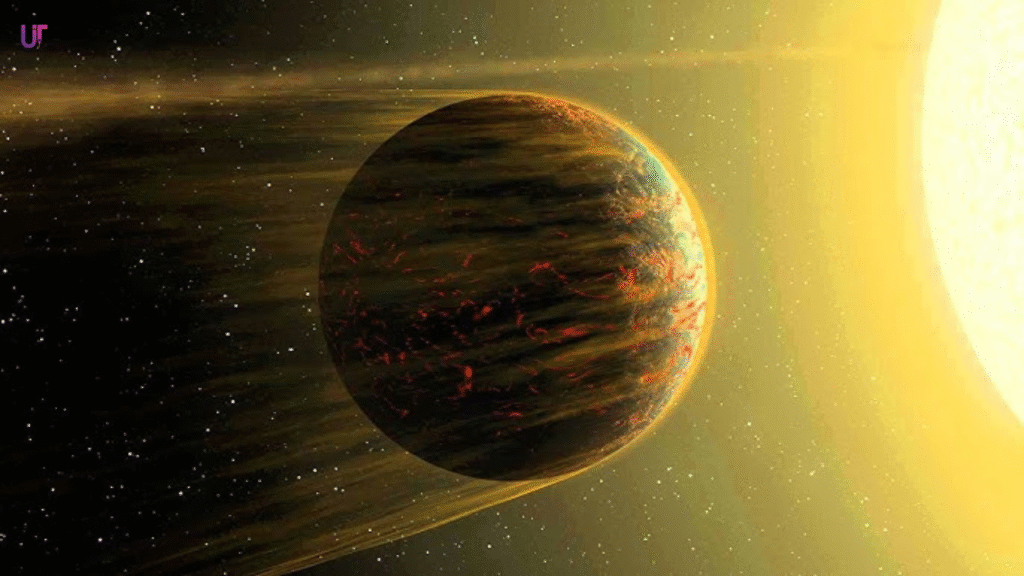
Category: Extreme Worlds | Discovered by NASA’s Spitzer & Other Observatories A World That Sparkles in Theory Imagine a planet where mountains might glitter, where the crust could be rich…
Red Giants

Red Giants

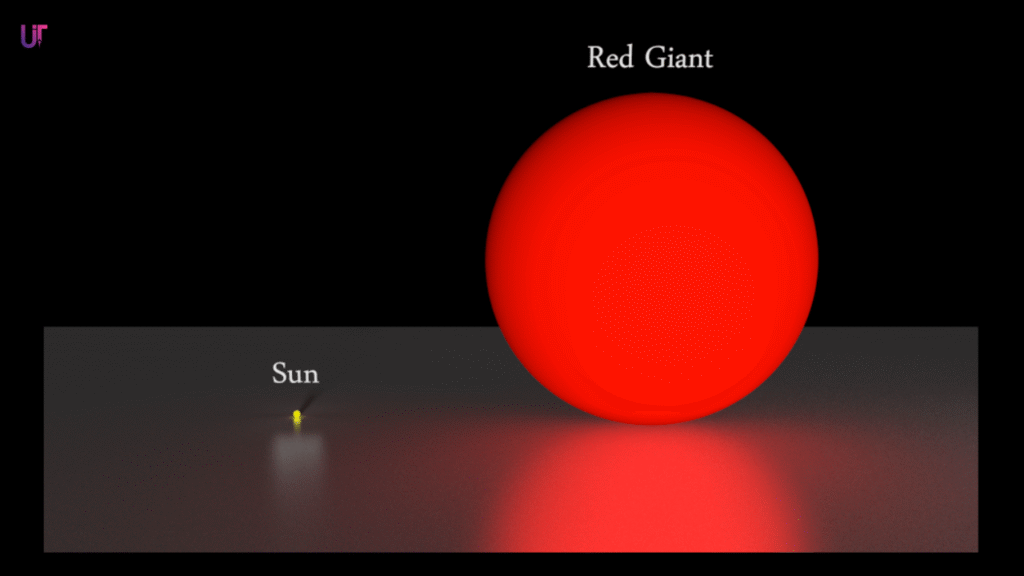
In the main sequence stage (the long middle of a star’s life), a star fuses hydrogen into helium in its core. This fusion produces energy, which pushes outward against gravity’s pull. But once the hydrogen in the core runs out, fusion slows.
Bosons

Bosons

A boson is a particle that follows integer spin — that is, its spin is 0, 1, 2, and so on. This property makes it fundamentally different from matter-building particles (fermions), which have half-integer spins (like ½).
Plasma Proteins

Plasma Proteins

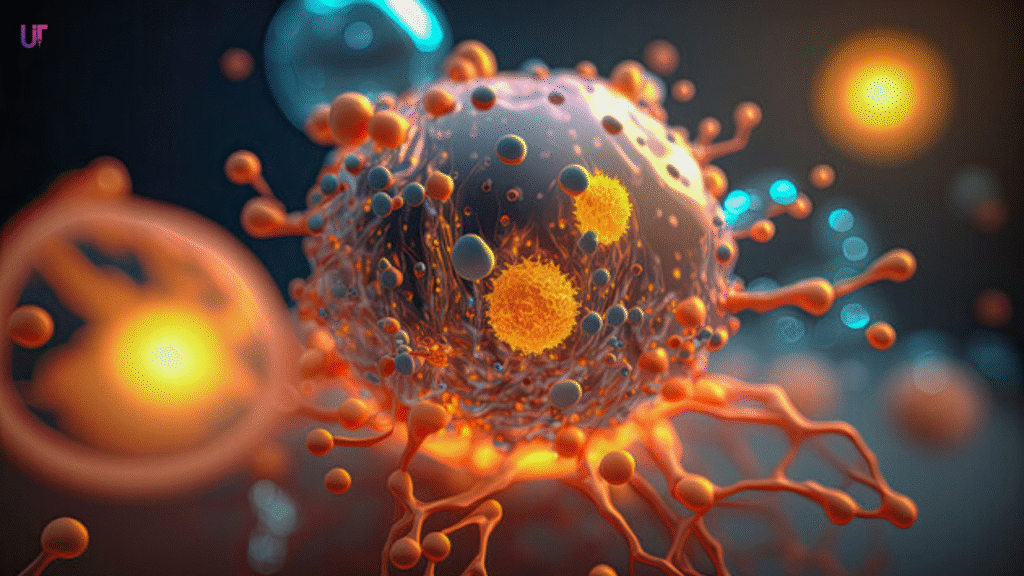
Plasma proteins are large organic molecules found in the plasma part of the blood. They are mainly synthesized by: The liver (majority) The plasma cells (lymphocytes) — especially immunoglobulins
Kepler-22b

Kepler-22b

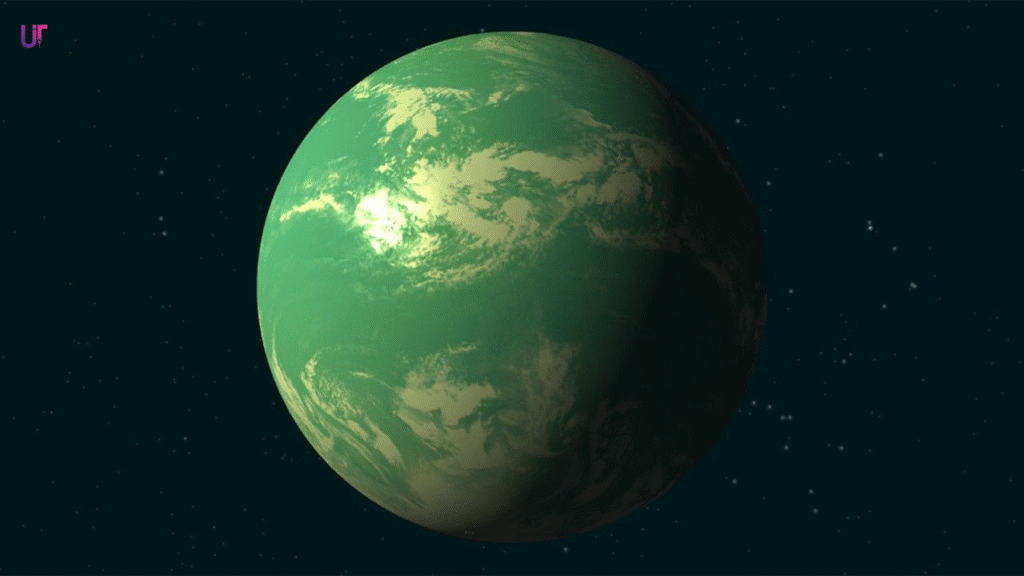
At 2.4 times Earth’s radius, Kepler-22b sits in a curious category between rocky and gaseous worlds. Astronomers call these “super-Earths” or “mini-Neptunes,” planets that may possess thick atmospheres or vast global oceans.
TOI-700 d

TOI-700 d

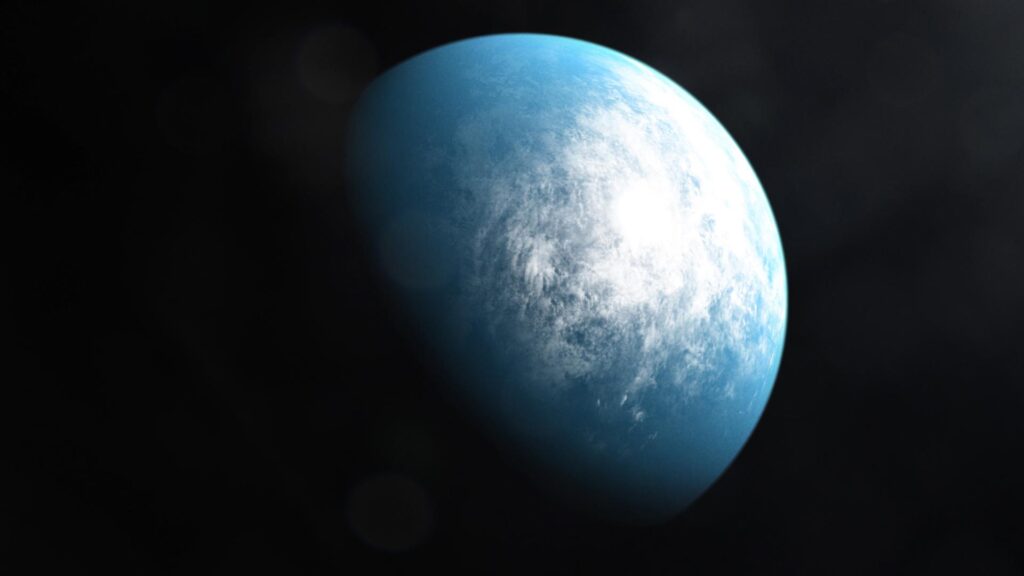
In early 2020, NASA’s Transiting Exoplanet Survey Satellite (TESS) quietly made history. Among thousands of worlds it was scanning, it found a small, rocky planet orbiting a dim red-dwarf star about 100 light-years away in the southern constellation Dorado.
Electron Degeneracy Pressure

Electron Degeneracy Pressure

At its core, electron degeneracy pressure is just this: The pushback that happens when electrons are forced too close together, but can’t occupy the same position or energy state. It’s like trying to fit two people into one seat — they’ll automatically push apart because the rules of space won’t allow overlap.