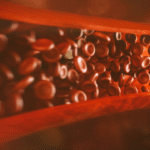
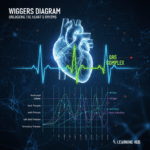
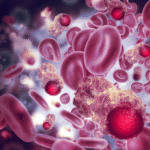
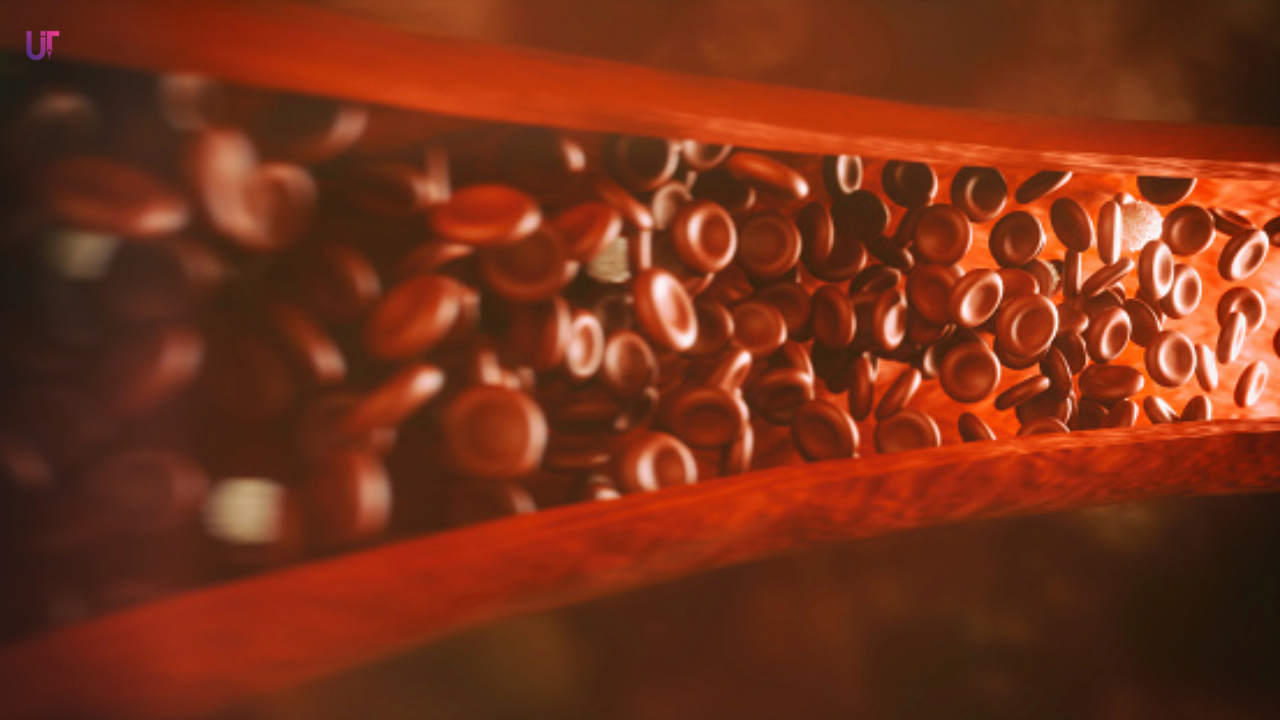
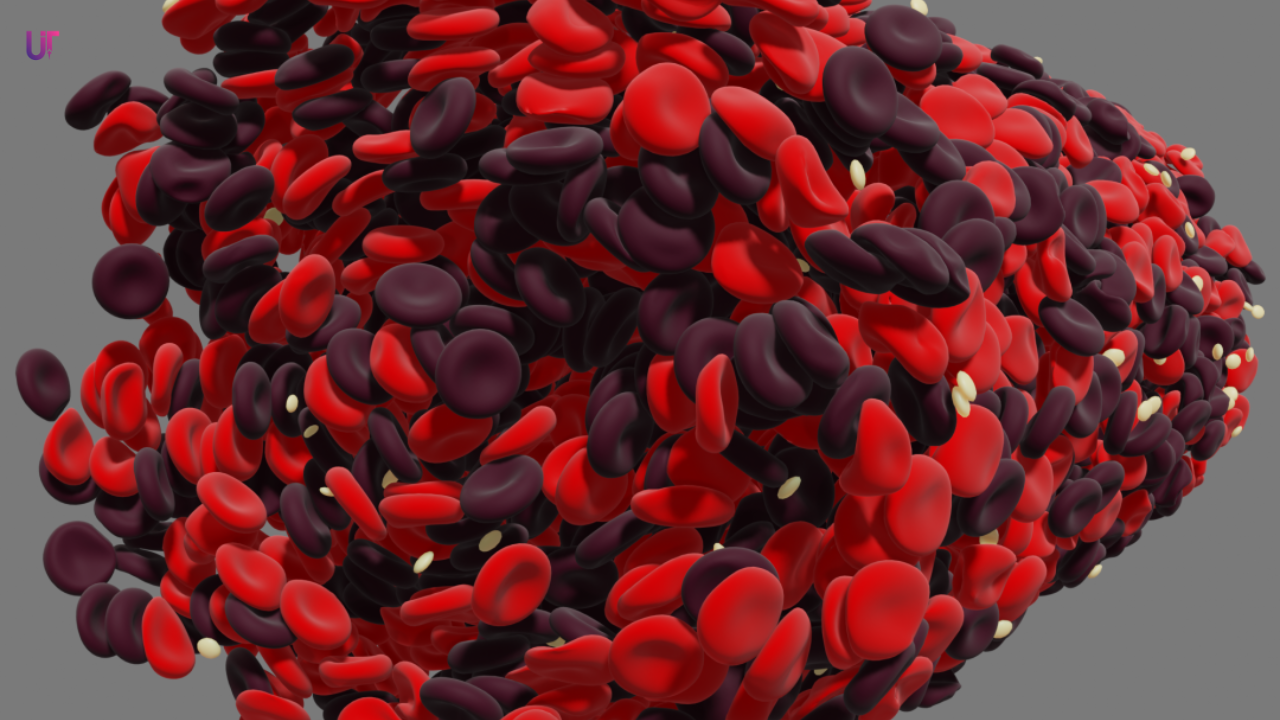
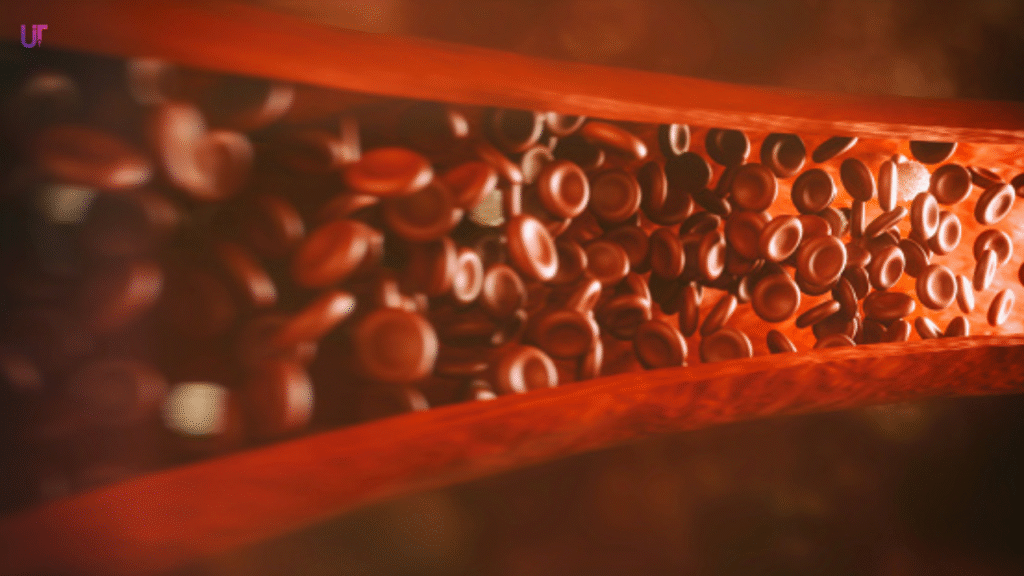
Laminar flow is the smooth, organized movement of blood in layers inside a vessel. Instead of swirling or mixing randomly, the blood glides forward in neat “sheets.” The layer at the center moves the fastest, while the layers closer to the vessel wall move slower because of friction.
December 25 exists because humans tried to trap the motion of the heavens… and almost failed.
The Sun does not check a calendar.
The Earth does not pause at midnight.
The stars do not care that a year has ended.
What we call time is not something we discovered.
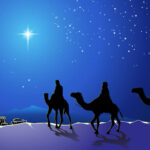
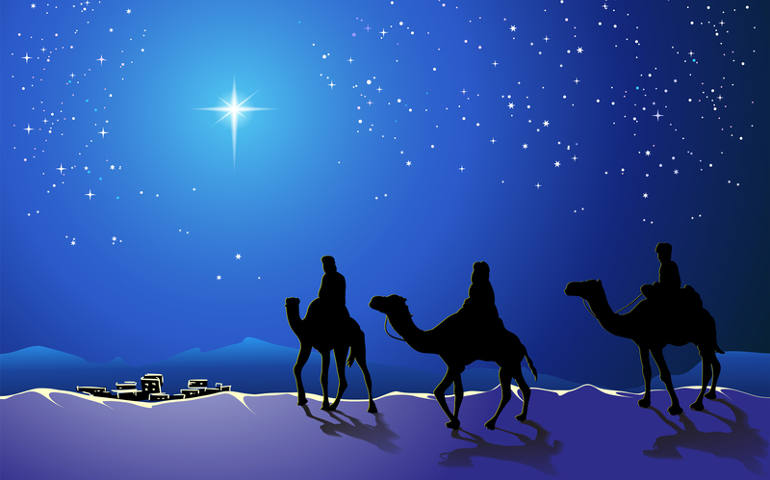
On a quiet night more than two thousand years ago, a light in the sky became a story that would echo through centuries. It was not loud.It did not blaze…
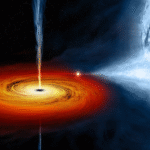
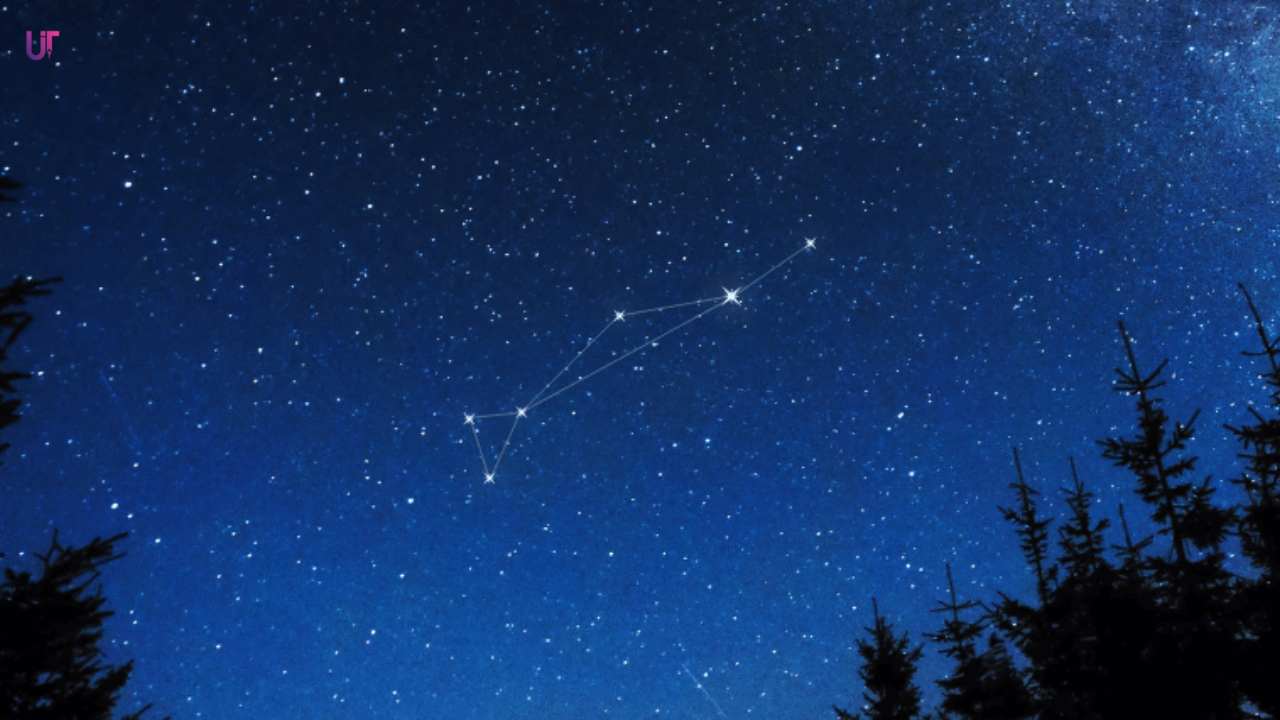
Unlike many ancient constellations tied to Greek and Roman myths, Dorado is a modern constellation, introduced in the late 16th century by Dutch navigators exploring the Southern Hemisphere.
Its name, “Dorado” or “golden,” refers to the golden fish, possibly the dolphinfish, popular among sailors in the South Seas.
When there is injury or infection, your body widens the blood vessels in that area to allow more blood flow. But ironically, widening the vessels actually slows down the flow.
When there is injury or infection, your body widens the blood vessels in that area to allow more blood flow. But ironically, widening the vessels actually slows down the flow.
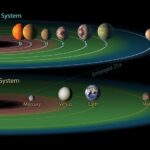
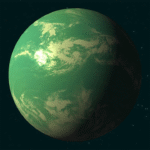
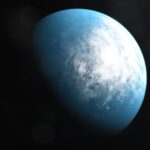
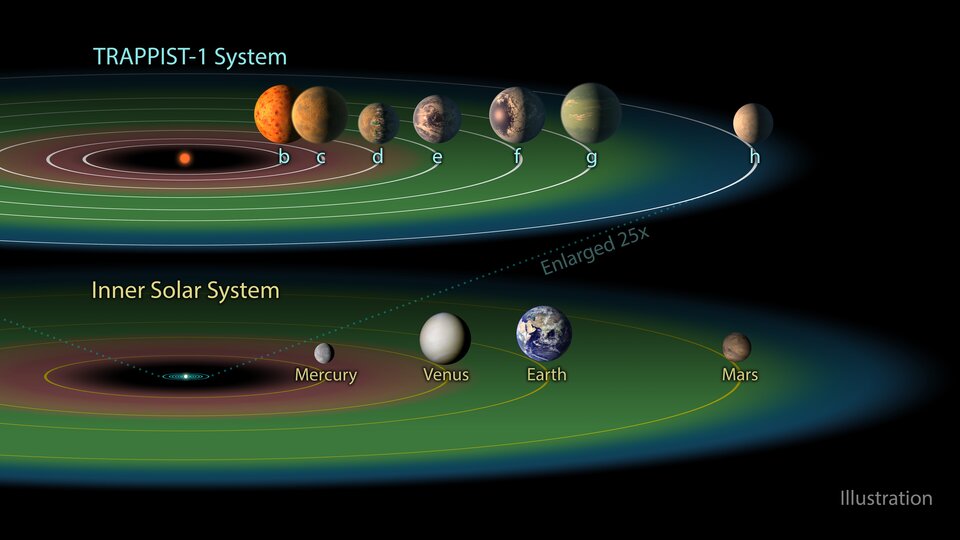
The Habitable Zone is the distance around a star where a planet is just right for water to exist as a liquid on its surface.
Not boiling away.
Not frozen forever.
We call it many names:
The Goldilocks Zone (not too hot, not too cold)
The Life-friendly Zone
The Water Zone
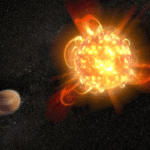
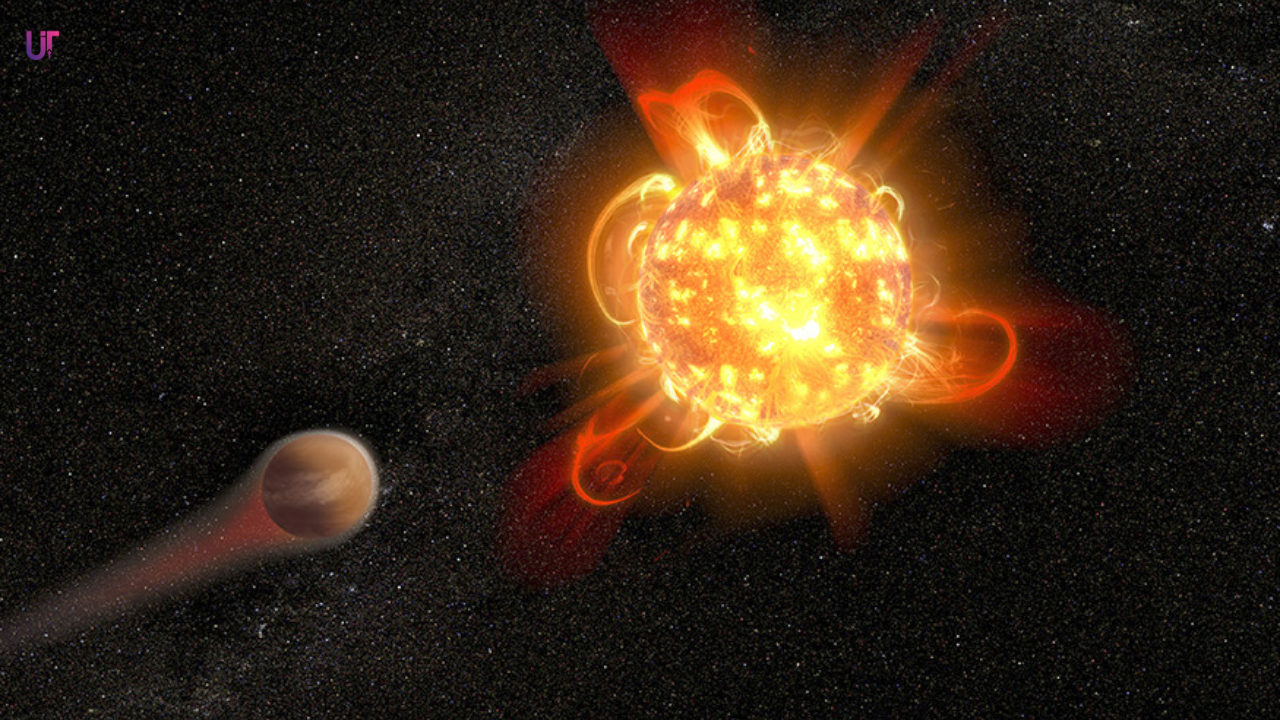
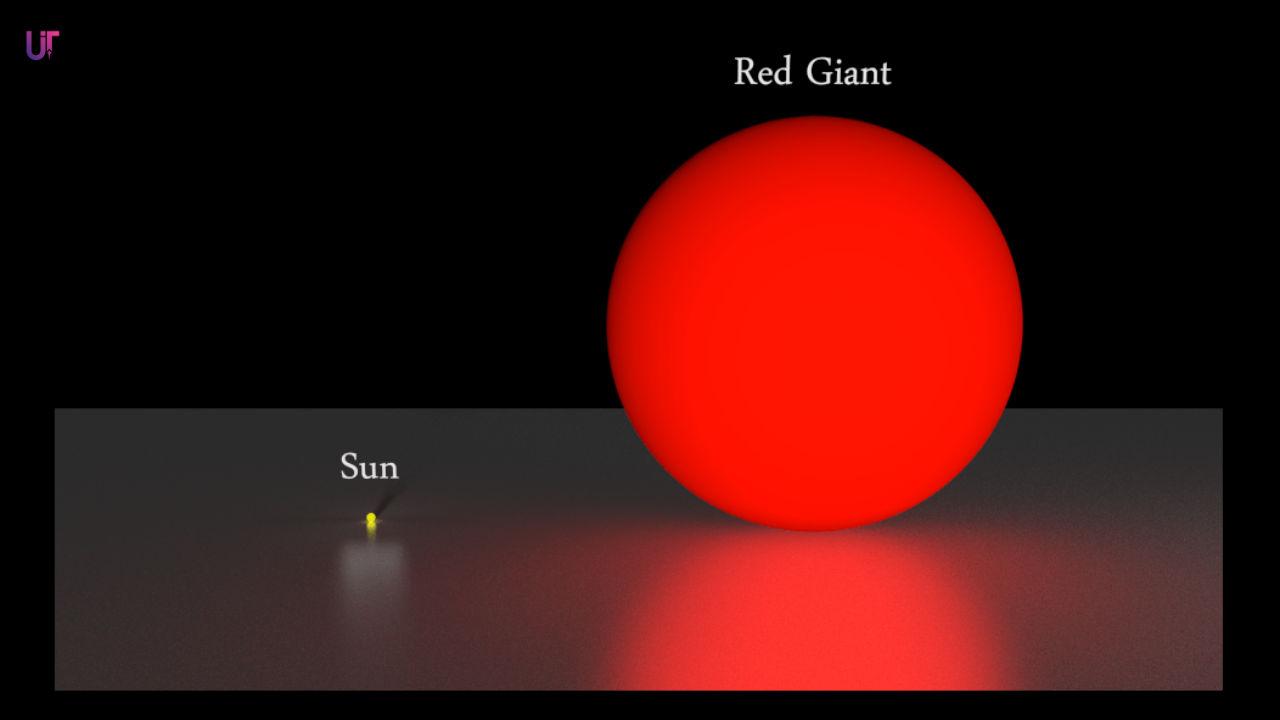
A red dwarf is a small, relatively cool star that shines with a dim red light. In terms of size, it’s only about 7% to 50% the mass of our Sun. That means if our Sun were a basketball, a red dwarf might be the size of a golf ball.
Their “red” color comes from their cool surface temperatures — usually around 2,000 to 4,000°C.
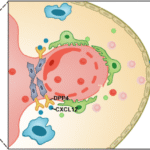
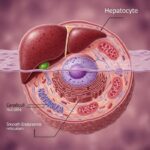
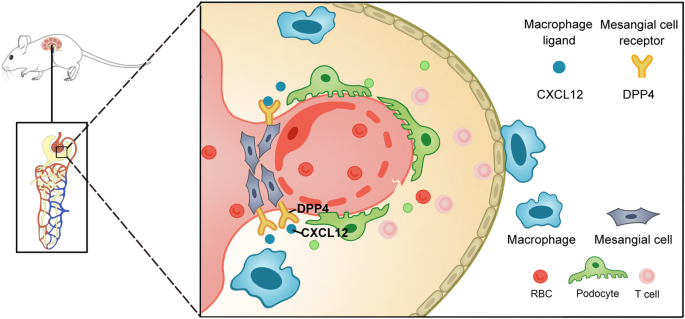
To understand Mesangial Cell Signaling, imagine each kidney nephron like a tiny water-treatment factory. Inside the glomerulus (the filter), we have three important workers: StructureFunctionEndothelial cellsLet plasma through but block…
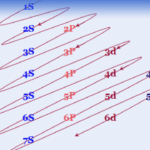
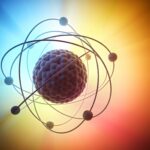
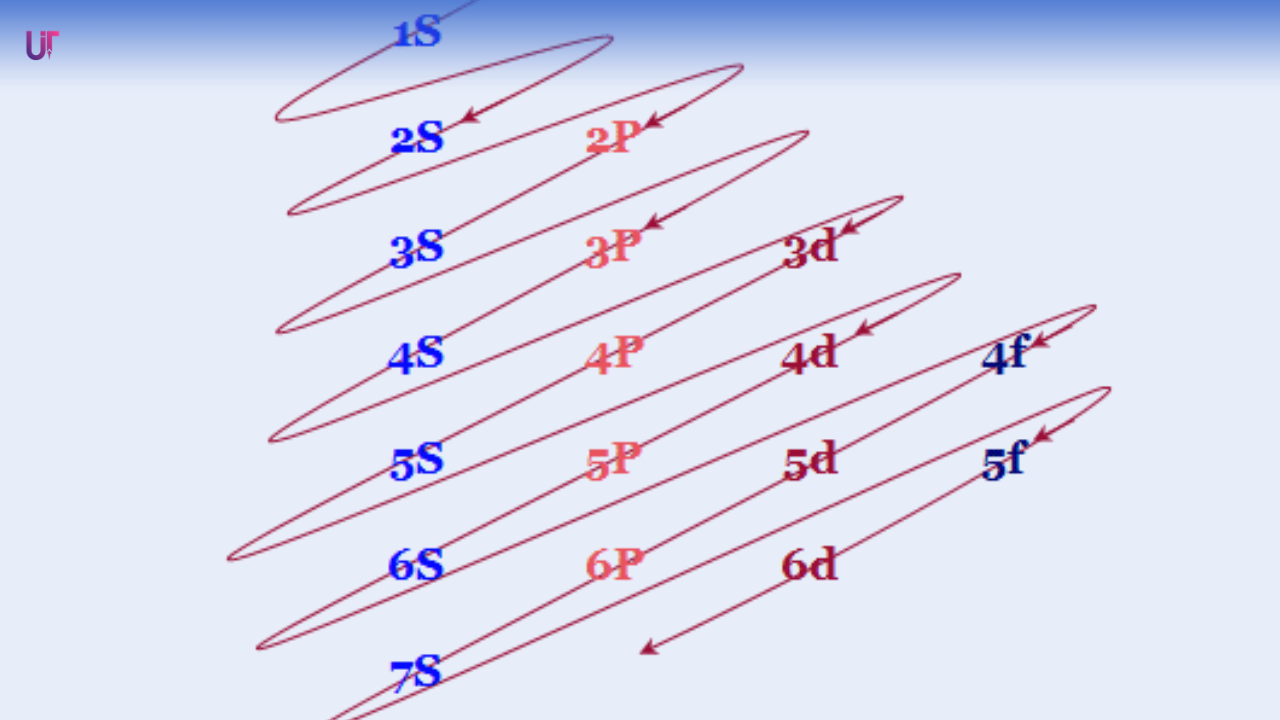
Every atom is like a miniature solar system.At its center lies the nucleus, dense and powerful.Orbiting it are electrons — tiny particles moving in organized layers called shells or energy…
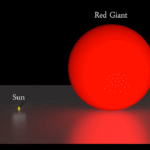
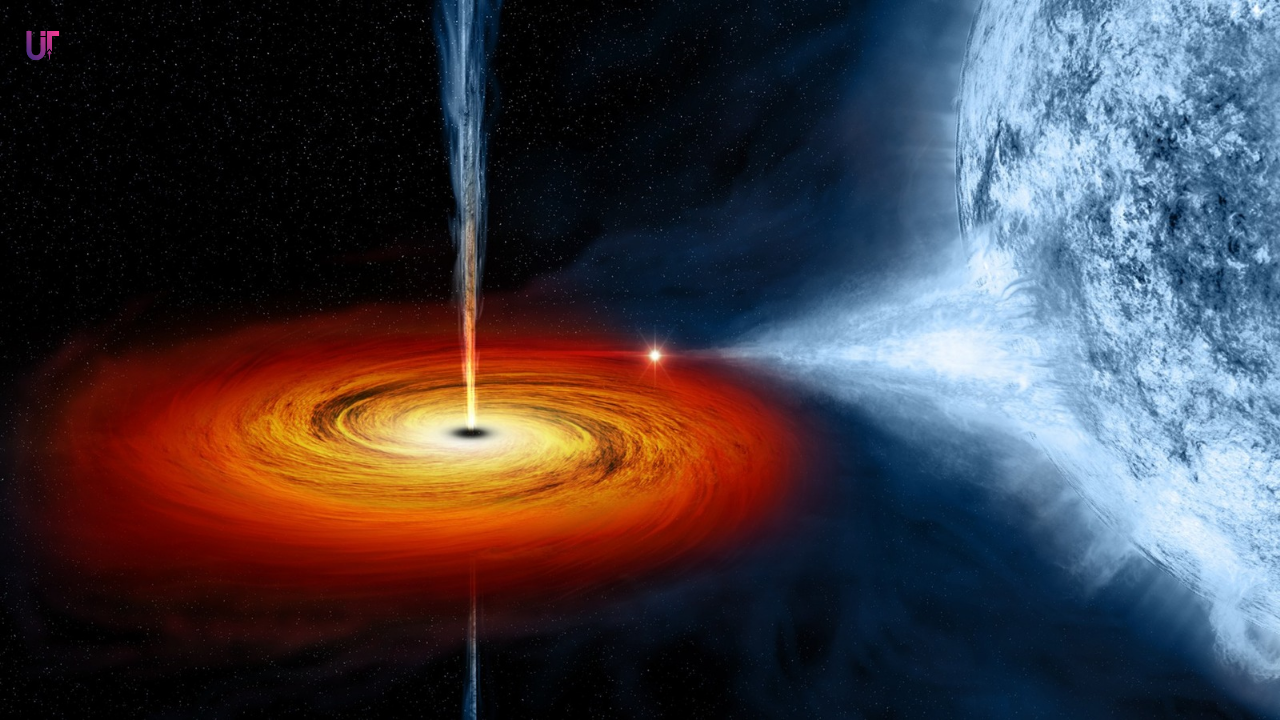
Every star has a destiny written in its mass.Some fade gently into white dwarfs.Others collapse into black holes.And between these two fates lies a cosmic boundary — the Chandrasekhar Limit.…
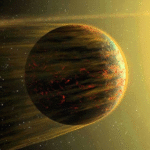
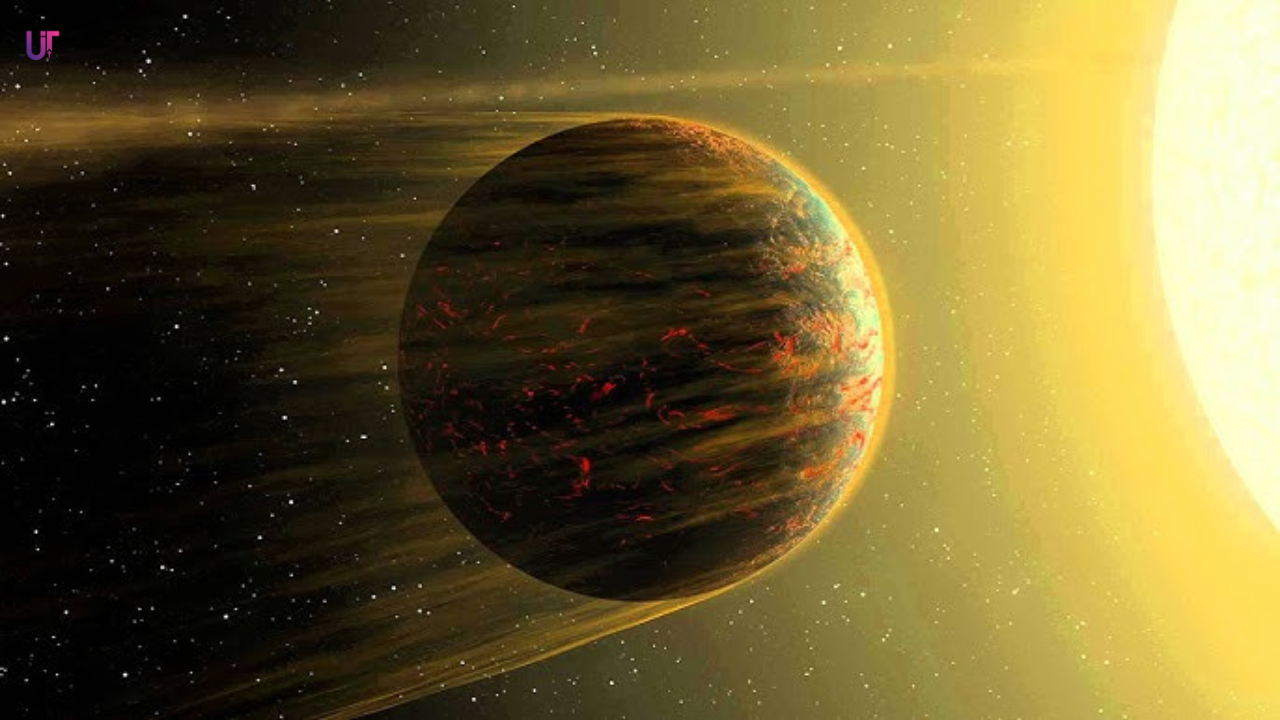
Category: Extreme Worlds | Discovered by NASA’s Spitzer & Other Observatories A World That Sparkles in Theory Imagine a planet where mountains might glitter, where the crust could be rich…
In the main sequence stage (the long middle of a star’s life), a star fuses hydrogen into helium in its core. This fusion produces energy, which pushes outward against gravity’s pull.
But once the hydrogen in the core runs out, fusion slows.
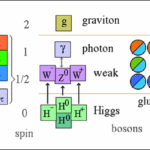
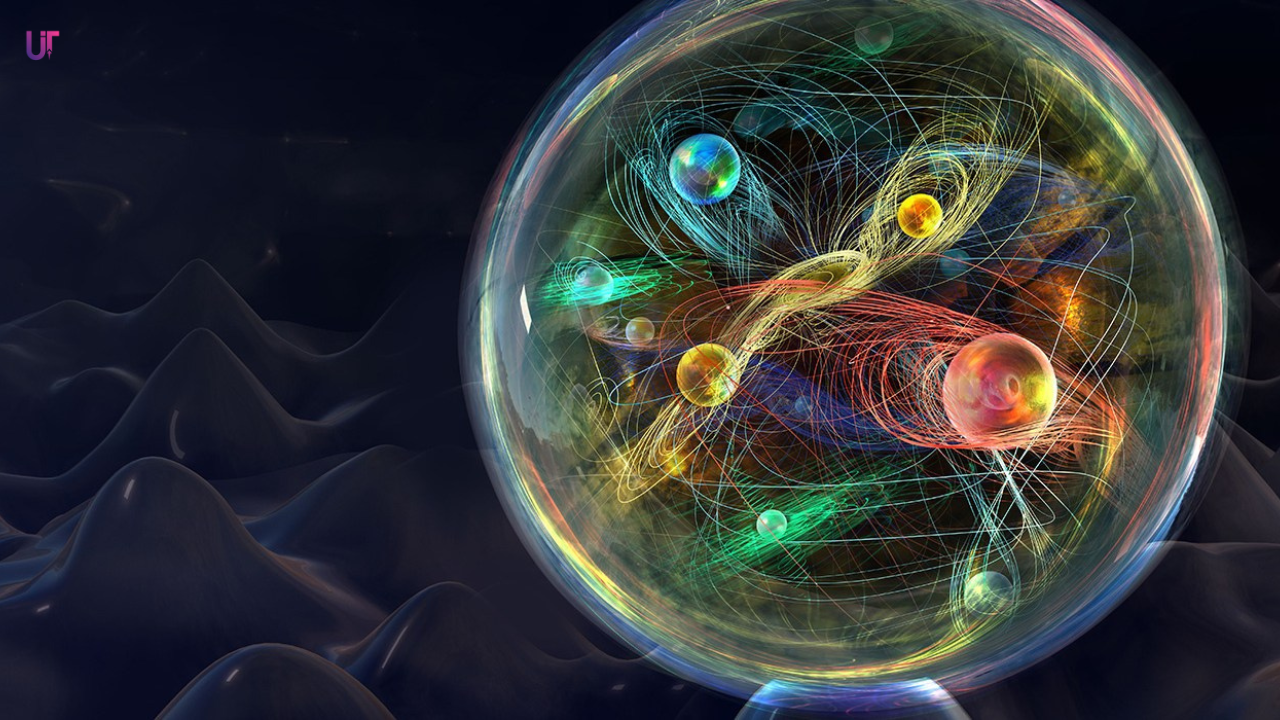
A boson is a particle that follows integer spin — that is, its spin is 0, 1, 2, and so on.
This property makes it fundamentally different from matter-building particles (fermions), which have half-integer spins (like ½).
Utopedia is a growing archive of clear, carefully written explanations across science, medicine, astronomy, and sustainability. Every entry is designed to turn complex ideas into understanding — without jargon, noise, or confusion.
This is a place to explore at your own pace. To search deeply, connect ideas, and return whenever curiosity calls.
Whether you are a student, professional, or lifelong learner, Utopedia exists to make learning calm, accessible, and lasting.
Laminar flow is the smooth, organized movement of blood in layers inside a vessel. Instead of swirling or mixing randomly, the blood glides forward in neat “sheets.” The layer at the center moves the fastest, while the layers closer to the vessel wall move slower because of friction.
December 25 exists because humans tried to trap the motion of the heavens… and almost failed.
The Sun does not check a calendar.
The Earth does not pause at midnight.
The stars do not care that a year has ended.
What we call time is not something we discovered.
On a quiet night more than two thousand years ago, a light in the sky became a story that would echo through centuries. It was not loud.It did not blaze like a supernova in recorded history.It did not tear the heavens open. And yet, it endured. The Star of Bethlehem remains one of the most discussed celestial phenomena in human memory — not because we know exactly what it was, but because it sits at a rare intersection: astronomy, history, faith, and the human instinct to search the sky for meaning. To understand the Star of Bethlehem is not merely…
Start Your Journey to Knowledge Now
Join us to unlock clear insights on science, health, and sustainability topics.