Neuroinflammation - Utopedia

NeuroInflammation

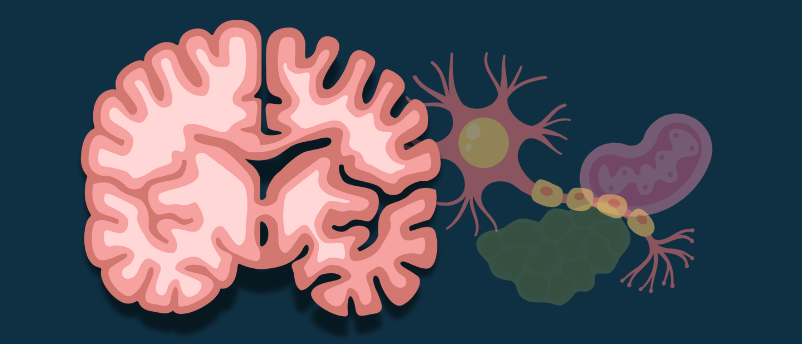
Think of your brain as a fortress—the most valuable territory your body possesses. It houses everything you are: your memories, your personality, your very consciousness. Protecting this fortress is so critical that evolution built walls unlike anywhere else in the body.
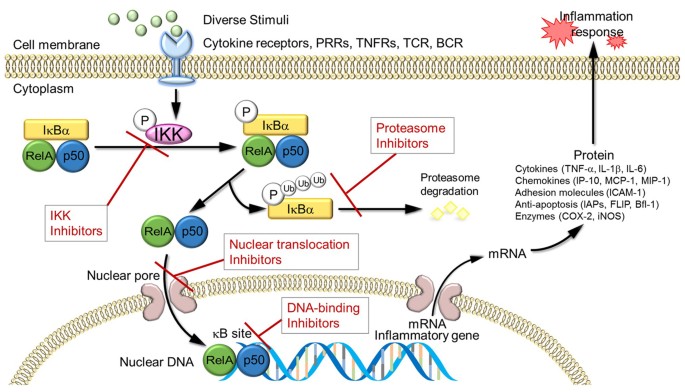
THE TLR4/NF-κB PATHWAY

THE TLR4/NF-κB PATHWAY

Before we dive into the complicated names, let's get clear on what we're talking about. A signaling pathway is like a game of telephone. One molecule passes a message to the next, which passes it to the next, until finally something happens. In the case of TLR4/NF-κB, that "something" is inflammation.
Alzheimer’s Disease

Alzheimer’s Disease

To understand Alzheimer's disease, we must first understand its canvas: the human brain. Hold your hands cupped together. That is roughly the size and weight of the organ that contains everything you are—every memory of your childhood home...
Endothelial Cells

Endothelial Cells

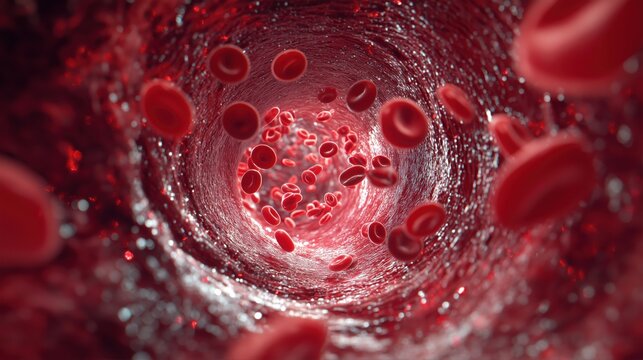
Endothelial cells are the body's traffic controllers for blood. They constantly monitor the blood and the vessel wall, and in response, they release powerful chemicals that signal the surrounding smooth muscle cells to either relax or contract.
Laminar Flow

Laminar Flow

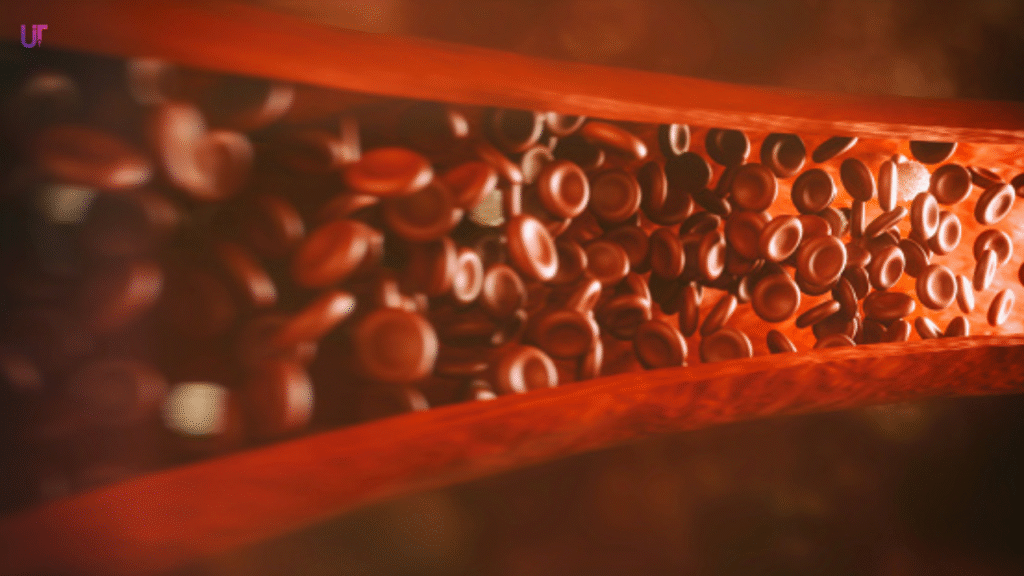
Laminar flow is the smooth, organized movement of blood in layers inside a vessel. Instead of swirling or mixing randomly, the blood glides forward in neat “sheets.” The layer at the center moves the fastest, while the layers closer to the vessel wall move slower because of friction.
Cell Margination

Cell Margination

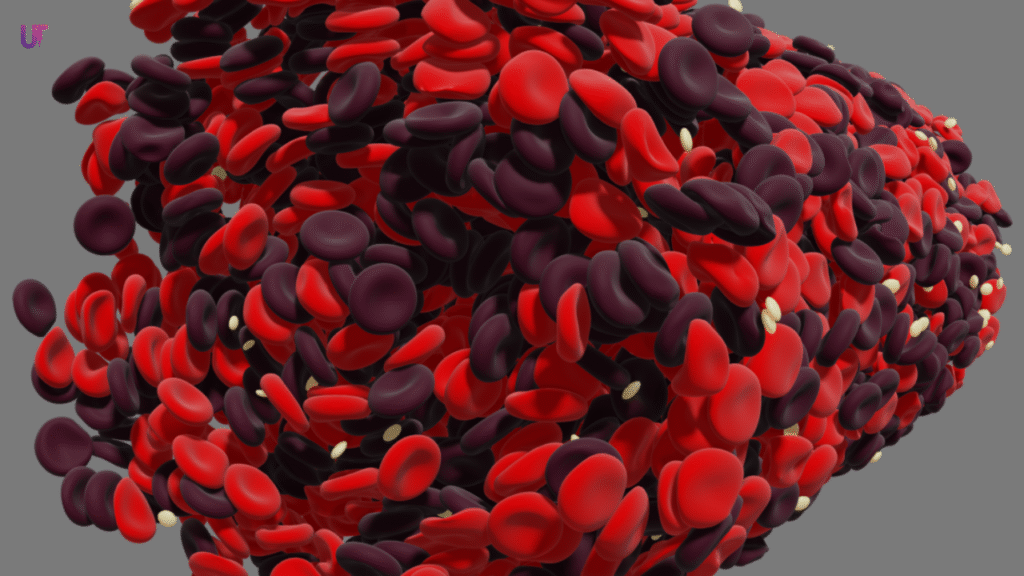
When there is injury or infection, your body widens the blood vessels in that area to allow more blood flow. But ironically, widening the vessels actually slows down the flow. When there is injury or infection, your body widens the blood vessels in that area to allow more blood flow. But ironically, widening the vessels actually slows down the flow.
Mesangial Cell Signaling

Mesangial Cell Signaling

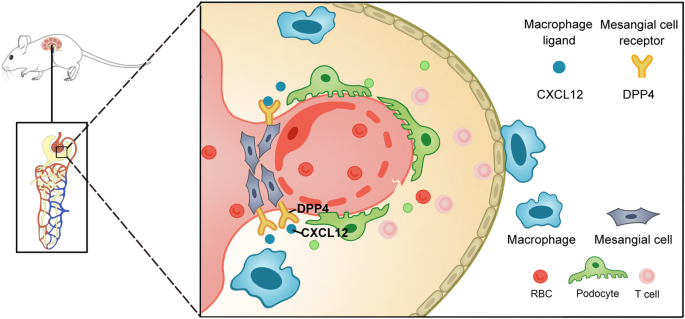
To understand Mesangial Cell Signaling, imagine each kidney nephron like a tiny water-treatment factory. Inside the glomerulus (the filter), we have three important workers: StructureFunctionEndothelial cellsLet plasma through but block…
Plasma Proteins

Plasma Proteins

Plasma proteins are large organic molecules found in the plasma part of the blood. They are mainly synthesized by: The liver (majority) The plasma cells (lymphocytes) — especially immunoglobulins
The Wiggers Diagram

The Wiggers Diagram

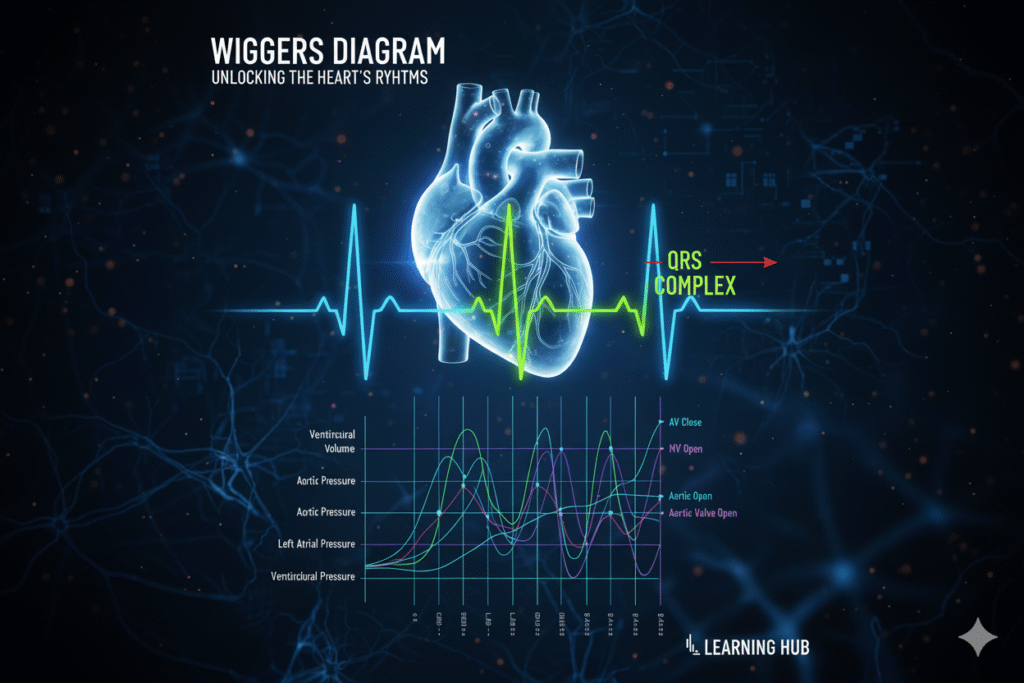
The Wiggers Diagram is a classic graph in physiology that represents all the events of the cardiac cycle in one picture. It combines: Electrical activity (ECG) Pressure changes (atria, ventricles, aorta) Volume changes (in the ventricles) Heart sounds (phonocardiogram: S1, S2, etc.) This is why it looks so complicated—because everything is happening at once. But if we follow it layer by layer, it makes sense.
Inflammation – An Easy Guide

Inflammation – An Easy Guide

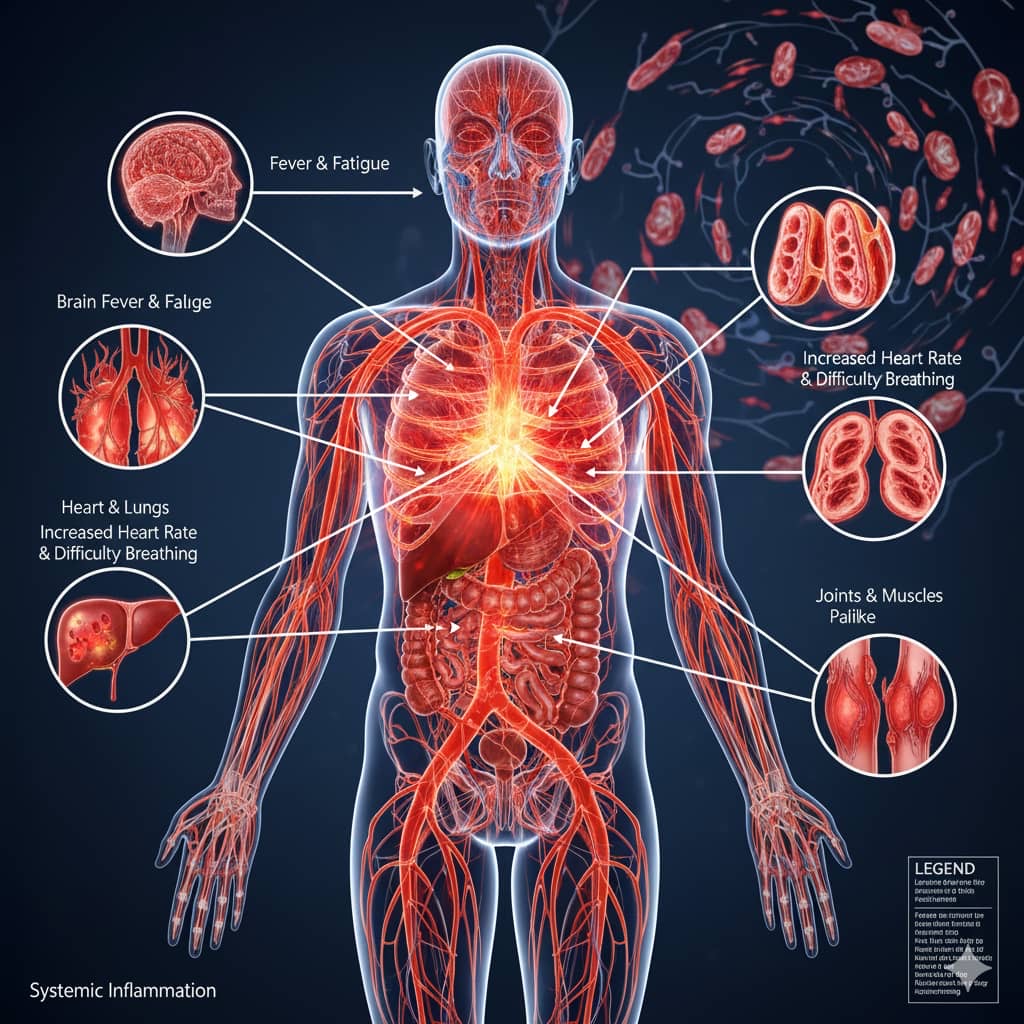
Inflammation is the body’s protective response to injury, infection, or irritation. Its goal is simple: Eliminate the cause of injury (like microbes or toxins). Clear out damaged tissue. Start repair. It is not always harmful — it’s a survival mechanism. But when excessive or uncontrolled, inflammation itself can cause disease.