





















Endothelial Cells
Stephen Hawking
Stare Decisis
Hawking Radiation
The Prime Meridian
Quantum Theory
The Code of Hammurabi
How The Bible Was Formed
Black Holes
Laminar Flow
How Calendars Shaped Christmas: When Humans Tried to Cage Time
The Star of Bethlehem: Astronomy v Symbolism
Welcome to Utopedia
A modern library for simplified knowledge.
Utopedia is a growing archive of clear, carefully written explanations across science, philosophy, medicine, law, history and beyond. Every entry is designed to turn complex ideas into understanding — without jargon, noise, or confusion.
This is a place to explore at your own pace.
To search deeply, connect ideas, and return whenever curiosity calls.
Whether you are a student, professional, or lifelong learner, Utopedia exists to make learning calm, accessible, and lasting.

What’s new in the circle
- Plessy v. Ferguson (1896)

To understand Plessy v. Ferguson, we must first understand the era in which it took place. Following the Civil War and the end of slavery, the United States entered the Reconstruction era (1865-1877) . During this time, the federal government sought to integrate formerly enslaved people into society as free citizens. This period saw the ratification of three crucial constitutional amendments:
- Endothelial Cells

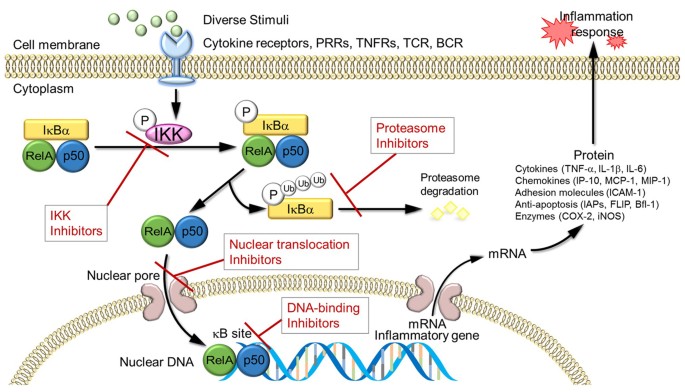
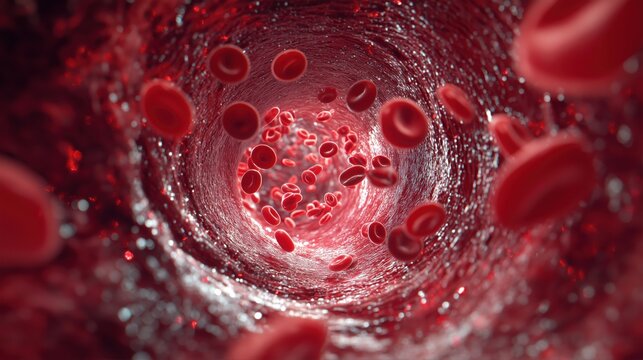
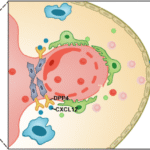
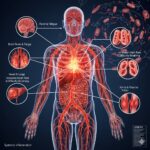
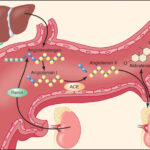
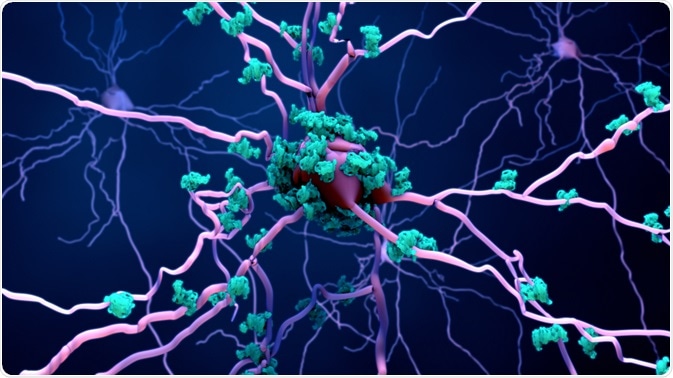
Endothelial cells are the body’s traffic controllers for blood. They constantly monitor the blood and the vessel wall, and in response, they release powerful chemicals that signal the surrounding smooth muscle cells to either relax or contract.
- Stephen Hawking

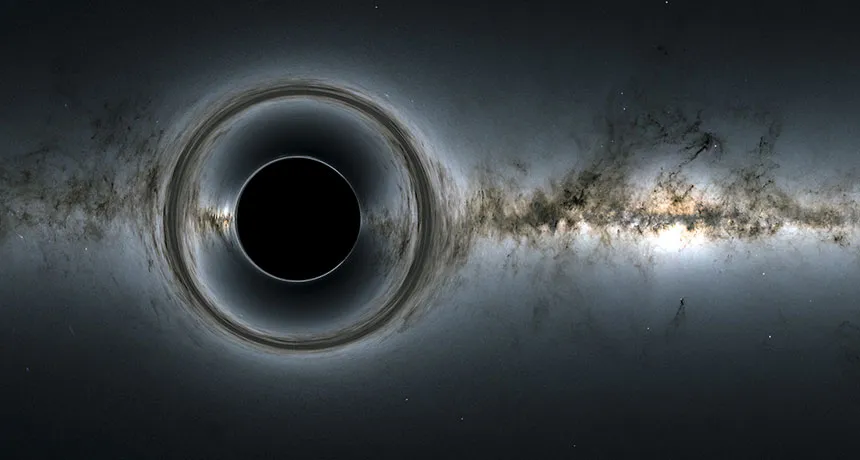
Born in Oxford to academically inclined parents, Hawking grew up in St Albans, England. He attended University College, Oxford (B.A., 1962) and Trinity Hall, Cambridge (Ph.D., 1966). His early research, supervised by Dennis Sciama, focused on cosmology and singularities in space-time. At 21, he was diagnosed with amyotrophic lateral sclerosis (ALS) and given only a few years to live—a prognosis he defied for more than five decades.
Start Your Journey to Knowledge Now
Join us to unlock clear insights on science, health, and sustainability topics.
- Clear and Engaging Content
- Bridging Research and Public Understanding
- Global Perspectives on Complex Issues
- Accessible Science for Everyone
- Trusted Insights for Curious Minds
To provide the best experience, we use technologies like cookies to store and/or access device information. Consenting to these technologies will allow us to process data such as browsing behaviour or unique IDs on the library. Not consenting or withdrawing consent, may adversely affect certain features and functions.