The Quantum State

The Quantum State

A quantum state is simply a description of everything we can possibly know about a particle at a given moment. It tells you things like: where the particle is likely to be, how fast it’s moving, what energy level it’s in, what direction it’s spinning (its “spin”), and other properties that define it uniquely.
Fermions

Fermions

Fermions are a class of particles that make up matter itself. Electrons, protons, and neutrons — the very things that form atoms — are all fermions. If you could zoom in on your body at the tiniest scale, everything solid about you would be made of these particles. But what makes them special isn’t just what they’re made of — it’s how they behave.
The Pauli Exclusion Principle

The Pauli Exclusion Principle

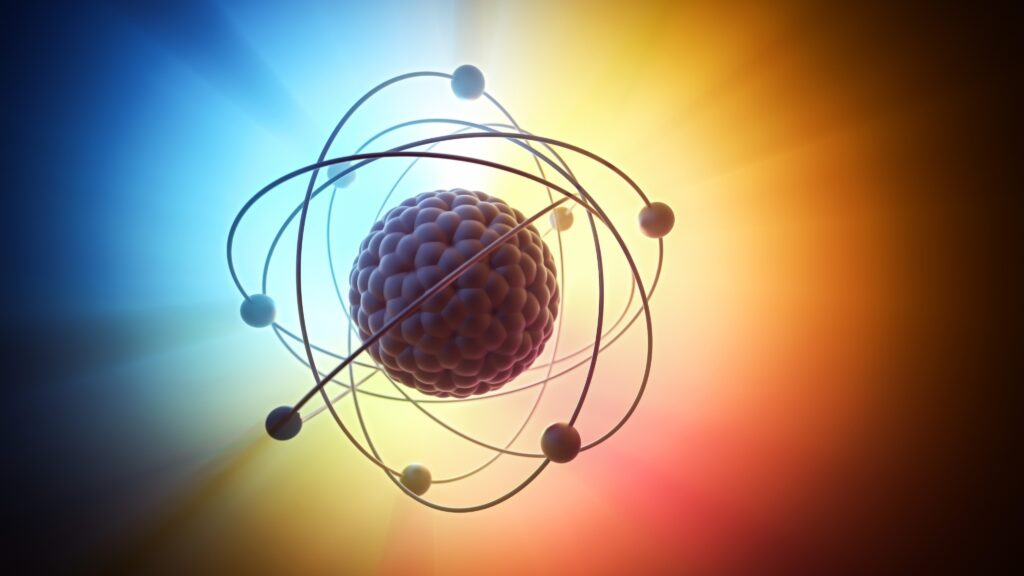
Atoms are made up of a nucleus (protons and neutrons) surrounded by electrons. These electrons don’t just float randomly — they live in specific “zones” called orbitals, like seats in a theater. Each seat (orbital) can hold two electrons, but only if they spin in opposite directions. Once that seat is filled, no other electron can sit there — it has to find another orbital or energy level. That’s Pauli’s rule.
Wave Function (Ψ)

Wave Function (Ψ)

The wave function is a mathematical function — a set of numbers you can calculate — that tells us everything possible about a quantum system. Here’s the key: Ψ itself doesn’t directly give us a physical answer. Instead, when you take its absolute square (|Ψ|²), you get the probability of finding the particle at a particular place or in a particular state.
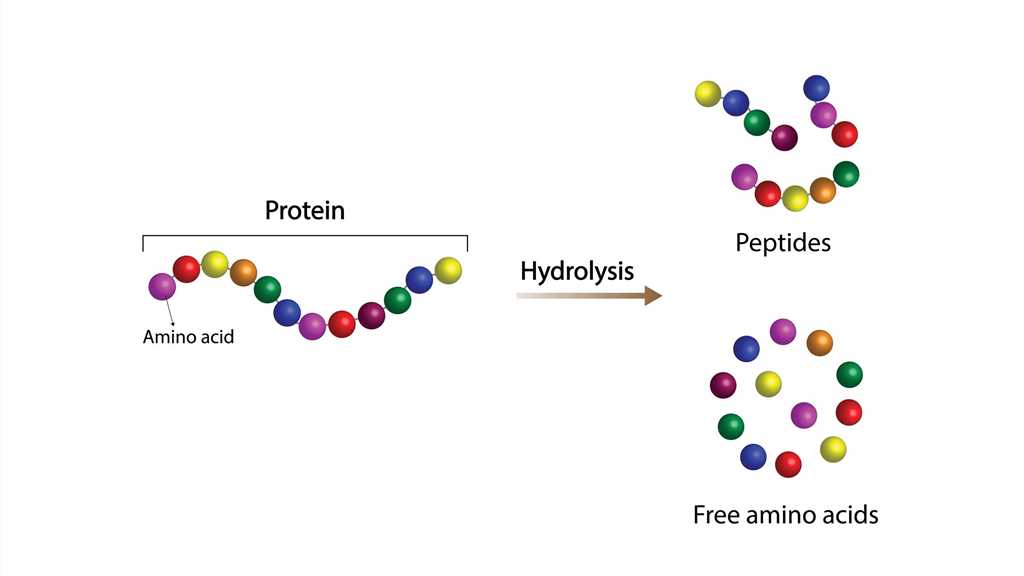
Hydrolysis

Hydrolysis

What If Water Could Act Like Molecular Scissors? Every time you digest food, clean with soap, or even cry, water is performing one of chemistry's most important tricks: breaking apart…