Fermions

Fermions

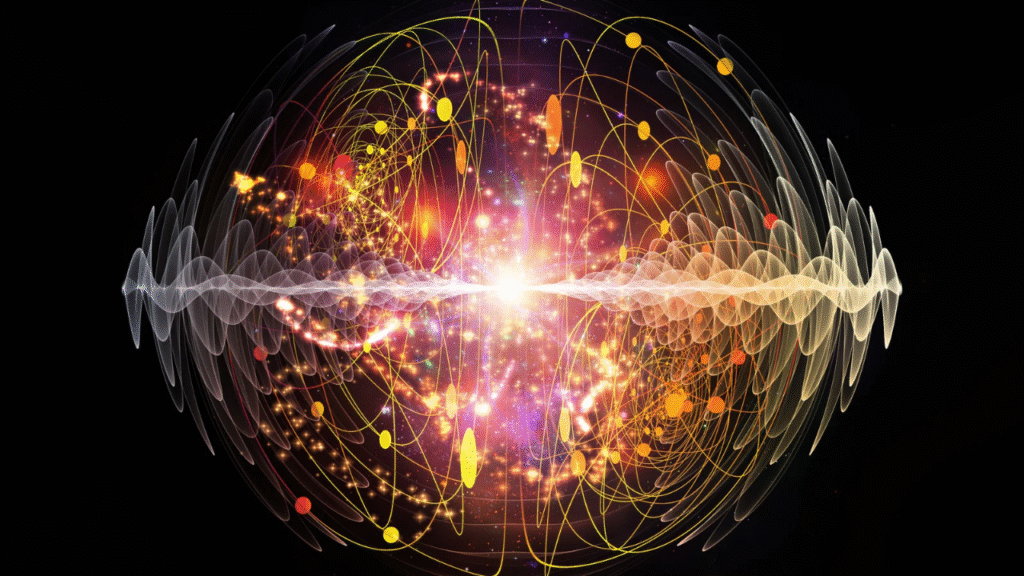
Fermions are a class of particles that make up matter itself. Electrons, protons, and neutrons — the very things that form atoms — are all fermions. If you could zoom in on your body at the tiniest scale, everything solid about you would be made of these particles. But what makes them special isn’t just what they’re made of — it’s how they behave.
The Pauli Exclusion Principle

The Pauli Exclusion Principle

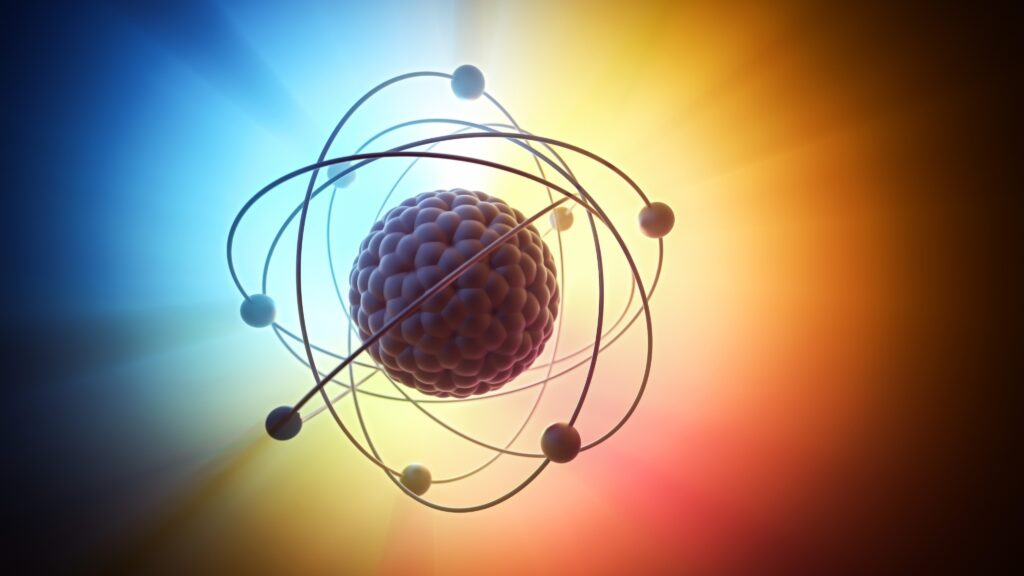
Atoms are made up of a nucleus (protons and neutrons) surrounded by electrons. These electrons don’t just float randomly — they live in specific “zones” called orbitals, like seats in a theater. Each seat (orbital) can hold two electrons, but only if they spin in opposite directions. Once that seat is filled, no other electron can sit there — it has to find another orbital or energy level. That’s Pauli’s rule.
Electromagnetic Resistance

Electromagnetic Resistance

Electromagnetic resistance is the pushback that happens when two negatively charged things (like electrons) get close. Think of it like two magnets. Try pushing the same poles (north-to-north or south-to-south) together — they resist each other. You can’t make them touch no matter how hard you try. That’s because their magnetic fields are repelling.
Quark Stars

Quark Stars

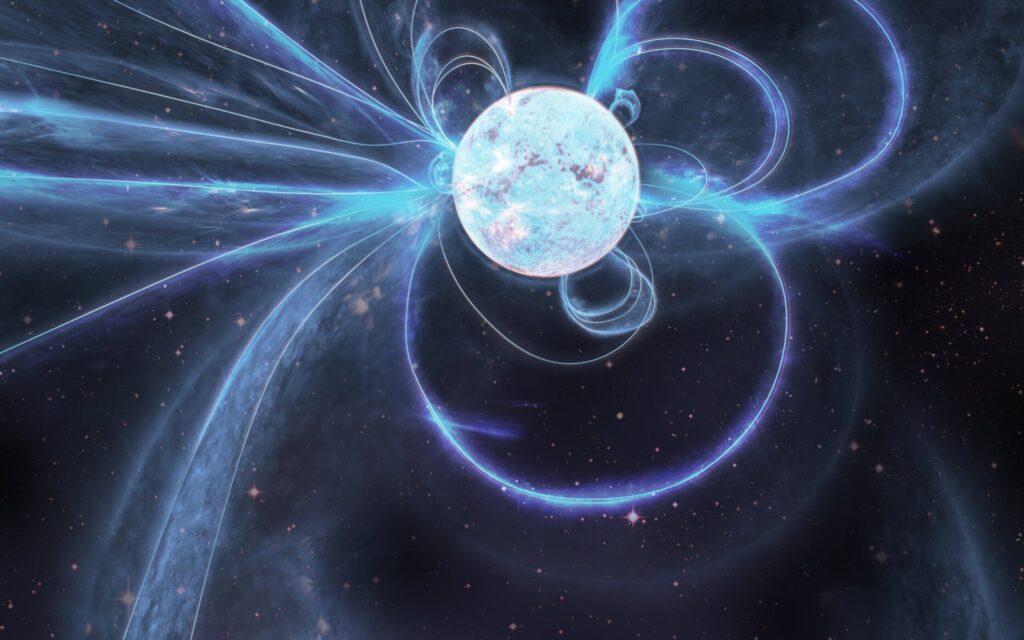
A quark star is a hypothetical type of star that forms when a dying massive star collapses beyond the neutron star stage but stops short of becoming a black hole. Inside, matter is crushed so tightly that quarks — the fundamental building blocks of protons and neutrons — break free, forming an exotic soup called quark matter.
The Wiggers Diagram

The Wiggers Diagram

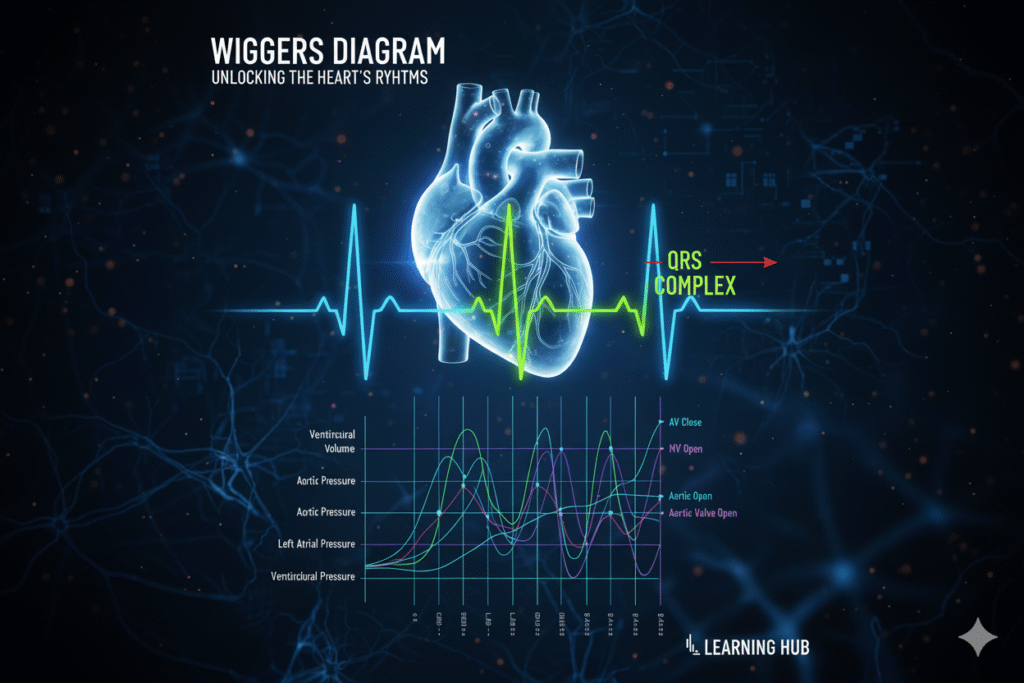
The Wiggers Diagram is a classic graph in physiology that represents all the events of the cardiac cycle in one picture. It combines: Electrical activity (ECG) Pressure changes (atria, ventricles, aorta) Volume changes (in the ventricles) Heart sounds (phonocardiogram: S1, S2, etc.) This is why it looks so complicated—because everything is happening at once. But if we follow it layer by layer, it makes sense.
Inflammation – An Easy Guide

Inflammation – An Easy Guide

Inflammation is the body’s protective response to injury, infection, or irritation. Its goal is simple: Eliminate the cause of injury (like microbes or toxins). Clear out damaged tissue. Start repair. It is not always harmful — it’s a survival mechanism. But when excessive or uncontrolled, inflammation itself can cause disease.
Cardiopulmonary Anastomosis – A Simple Guide

Cardiopulmonary Anastomosis – A Simple Guide

In medicine, anastomosis means a connection or joining between two tubular structures. In the cardiovascular system, it usually refers to the joining of blood vessels that allows alternate routes for blood flow. So, cardiopulmonary anastomosis = the vascular connections between the heart and the lungs that ensure continuous blood supply and oxygen exchange, even if one route is blocked or compromised.
Kepler’s Laws of Planetary Motion — Simplified

Kepler’s Laws of Planetary Motion — Simplified

An ellipse is like a stretched circle. Imagine a circle squeezed sideways — that’s an ellipse. An ellipse has two foci. The Sun sits at one, and the other is empty space. Planets are not moving in perfect circles; their distance to the Sun changes as they orbit.