Long before ink touched parchment, there were voices.
In the ancient Near East (modern-day Israel, Iraq, Egypt, and Syria), stories were told aloud. Families repeated them. Priests memorized them. Poets sang them. These stories explained origins, laws, kings, disasters, and hope.
This is where the Bible begins: not as a book, but as remembered tradition.
1. Timeline Snapshot (Hebrew Bible / Old Testament)
| Date | What Happened | Why It Matters |
|---|---|---|
| c. 1200–1000 BCE | Oral traditions develop | Stories passed by memory |
| c. 1000–586 BCE | Kings and scribes record texts | Writing begins |
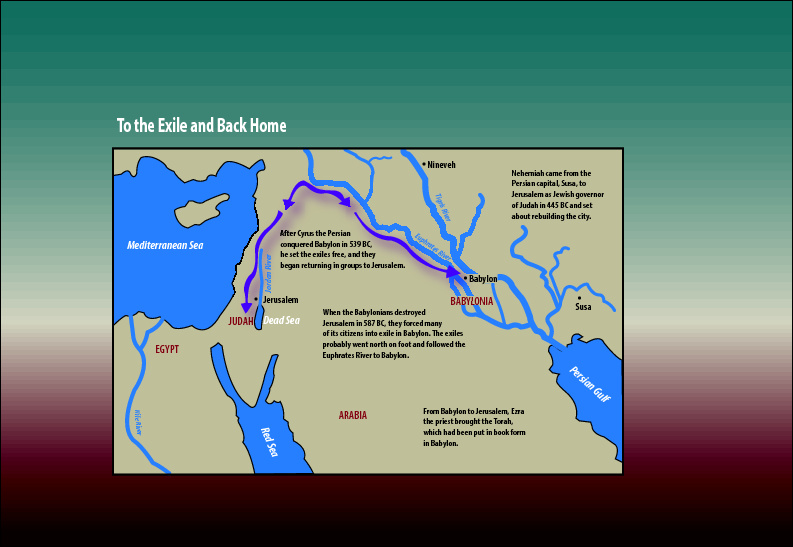
| 586 BCE | Babylon conquers Jerusalem | Crisis reshapes theology |
| 500–200 BCE | Texts compiled and edited | Core Hebrew Scriptures formed |
| c. 250 BCE | Greek translation (Septuagint) | Scriptures enter global language |
The turning point was 586 BCE. The Babylonian Empire destroyed Jerusalem. Exile forced deep reflection. Communities began preserving traditions carefully in written form. Crisis accelerated canon-building.
From Scroll to Scripture
The Hebrew Scriptures (later called the Old Testament) were written mostly in Hebrew, with small sections in Aramaic.
They were stored as scrolls. Not one volume. Many separate scrolls.
Then, in 1947, something extraordinary was discovered: the Dead Sea Scrolls near Qumran. These manuscripts (dated 250 BCE–70 CE) contained copies of nearly every book of the Hebrew Bible.
What did they show?
- The text had been copied with impressive accuracy.
- Minor differences existed.
- Multiple versions circulated before standardization.
Key Term
Masoretic Text – The carefully preserved Hebrew version standardized by Jewish scholars between 600–1000 CE.
This shows something important: Scripture developed through preservation, copying, and careful editing—not instant production.
3. A New Movement, New Writings


4
In the 1st century CE, within the Roman Empire, a new movement emerged around Jesus of Nazareth.
His followers did not immediately produce a “New Testament.” They wrote letters. They shared teachings. They circulated biographies (the Gospels).
Timeline Snapshot (New Testament)
| Date | Event |
|---|---|
| c. 30 CE | Death of Jesus |
| 50–65 CE | Letters of Paul written |
| 65–100 CE | Gospels composed |
| 2nd–3rd c. | Many Christian texts circulating |
| 367 CE | First complete 27-book list appears |
At first, there was diversity. Many writings claimed authority. Over time, communities asked three questions:
- Is it linked to the apostles?
- Is it consistent with accepted teaching?
- Is it widely used in churches?
Books meeting those criteria gradually formed what became the 27-book New Testament.
This process took centuries.
4. The Canon: Why Some Books Made It
Comparative Table
| Question | Canonical Books | Other Early Christian Texts |
|---|---|---|
| Written in 1st century? | Yes | Often later |
| Linked to apostles? | Claimed connection | Often unclear |
| Widely used? | Across regions | Limited circulation |
| Accepted by 4th century councils? | Yes | No |
The canon was not chosen in one dramatic meeting. It was recognized gradually.
By the late 4th century, church councils in North Africa affirmed the list most Christians use today.
5. The Geography of Formation


4
The Bible’s formation spans continents:
- Israel & Judah – Early Hebrew texts
- Babylon – Exilic reflection and editing
- Alexandria (Egypt) – Greek translation (Septuagint)
- Rome & Asia Minor – Spread of Christian writings
Empires shaped scripture. Conquest forced preservation. Trade routes spread manuscripts. Language shifts expanded access.
6. Language: The Turning Key
The Bible moved across languages:
| Language | Role |
|---|---|
| Hebrew | Most Old Testament books |
| Aramaic | Small portions (e.g., Daniel) |
| Greek | New Testament & Septuagint |
| Latin | Western church standard (Vulgate) |
When Hebrew Scriptures were translated into Greek (the Septuagint), they entered the international language of the time—like publishing in English today.
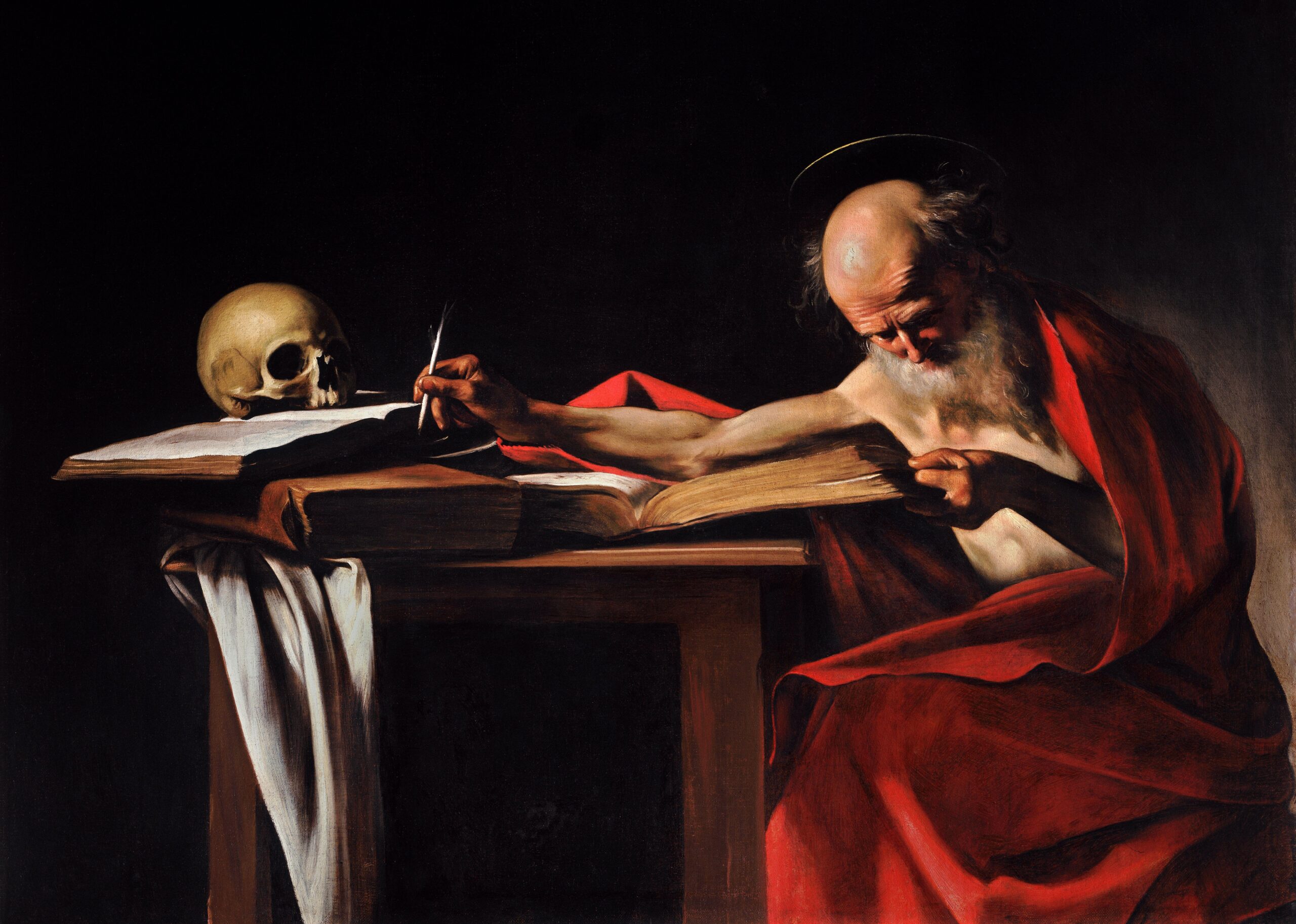
Later, Jerome’s Latin Vulgate dominated Europe for over 1,000 years.
Then the printing press (15th century) revolutionized access. The Gutenberg Bible marked a new era: mass production of scripture.
7. Why Different Bibles Exist
Not all traditions have the same number of books.
| Tradition | Old Testament Books |
|---|---|
| Jewish Tanakh | 24 (arranged differently) |
| Protestant | 39 |
| Catholic | 46 |
| Eastern Orthodox | 49+ |
The differences mostly trace back to whether certain Greek books (included in the Septuagint) were accepted as authoritative.
8. Concept Diagram: The Journey
Oral Stories
→ Written Scrolls
→ Exile & Editing
→ Greek Translation
→ Early Christian Letters
→ Canon Recognition
→ Latin Standardization
→ Printing Press
→ Modern Translations
Over 1,000 years of development.
9. Key Terms (Plain Language)
- Canon – Official list of accepted books
- Septuagint – Greek translation of Hebrew Scriptures
- Apocrypha/Deuterocanon – Books accepted by some traditions, not others
- Textual Criticism – Comparing manuscripts to recover earliest wording
- Codex – Early book format replacing scrolls
10. What Makes This Epic?
The Bible is not a single-author document.
It is:
- A collection of dozens of texts
- Written across 1,000+ years
- In multiple languages
- Across shifting empires
- Copied by hand thousands of times
- Debated, edited, preserved, translated
It survived exile, conquest, empire collapse, linguistic shifts, and technological revolutions.
From campfire memory to digital screen.
Understanding how the Bible was formed is understanding how human communities preserve meaning across centuries.
It is not a story of instant assembly.
It is a story of transmission, selection, translation, and survival.
Research Foundations
Modern understanding comes from:
- Dead Sea Scrolls discoveries
- Ancient codices (Sinaiticus, Vaticanus)
- Jewish Masoretic manuscripts
- Archaeological findings
- Textual criticism scholarship
The formation of the Bible is not mystical shorthand.
It is a documented historical process.
And that process is one of the most remarkable literary journeys in human civilization.