Electronic Configuration

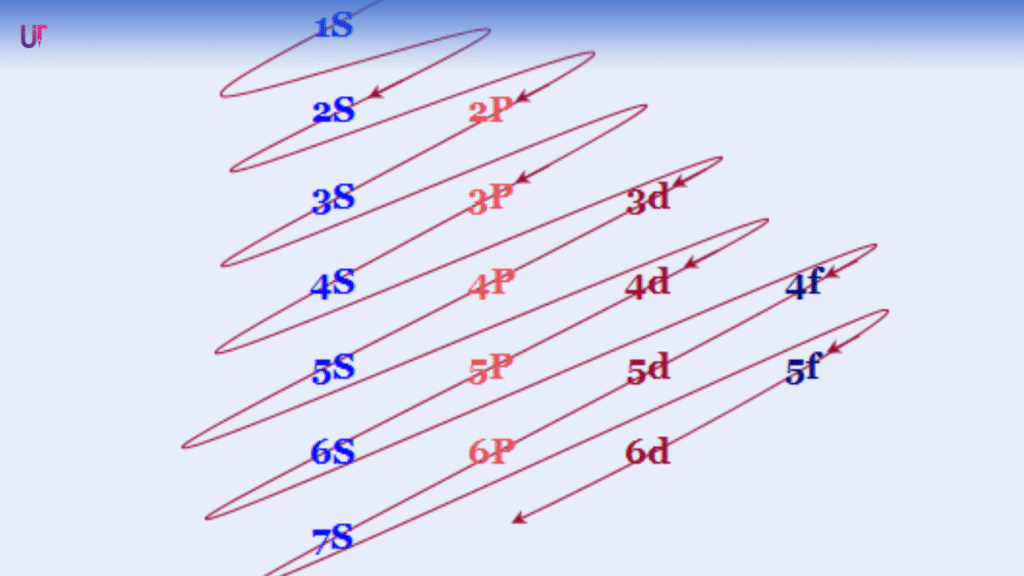
Electronic Configuration

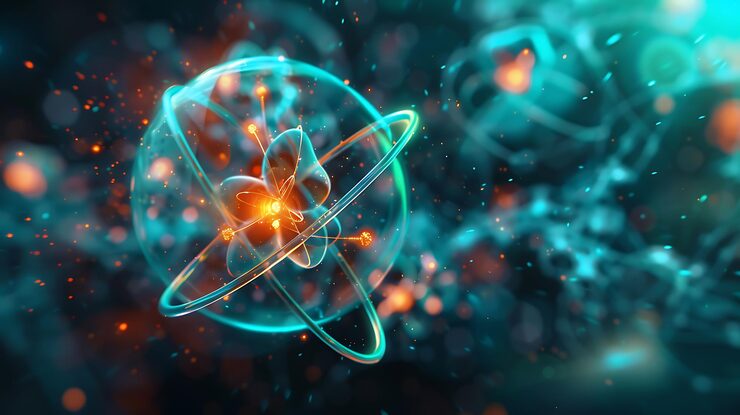
Every atom is like a miniature solar system.At its center lies the nucleus, dense and powerful.Orbiting it are electrons — tiny particles moving in organized layers called shells or energy…
The Chandrasekhar Limit

The Chandrasekhar Limit

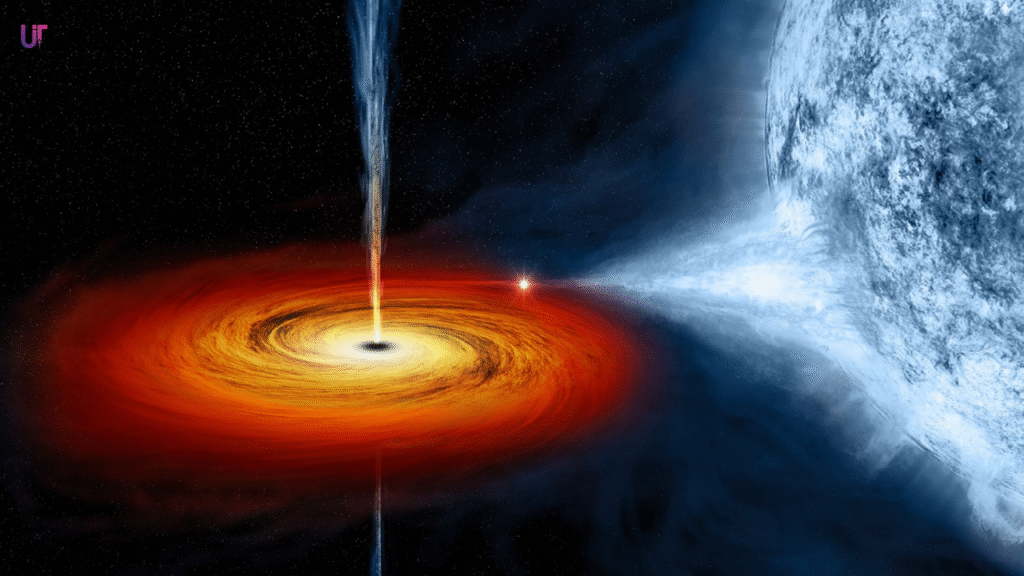
Every star has a destiny written in its mass.Some fade gently into white dwarfs.Others collapse into black holes.And between these two fates lies a cosmic boundary — the Chandrasekhar Limit.…
Bosons

Bosons

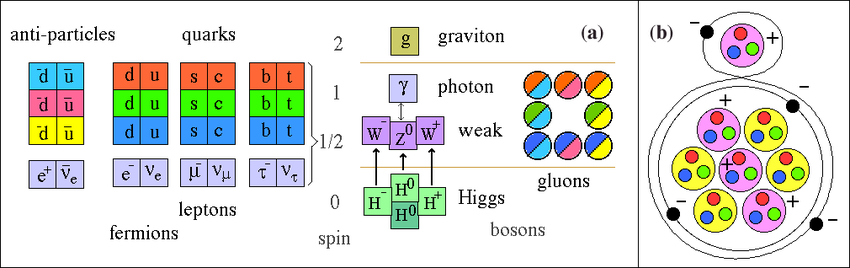
A boson is a particle that follows integer spin — that is, its spin is 0, 1, 2, and so on. This property makes it fundamentally different from matter-building particles (fermions), which have half-integer spins (like ½).
Electron Degeneracy Pressure

Electron Degeneracy Pressure

At its core, electron degeneracy pressure is just this: The pushback that happens when electrons are forced too close together, but can’t occupy the same position or energy state. It’s like trying to fit two people into one seat — they’ll automatically push apart because the rules of space won’t allow overlap.
Half-Integer Spin – 1/2

Half-Integer Spin – 1/2

Half-integer spin is a quantum property of particles that makes them behave uniquely — they must spin twice to return to their original state, and they cannot share the same space or state with identical particles.
Degeneracy Pressure

Degeneracy Pressure

Degeneracy pressure is a special kind of push that comes from quantum physics. It happens when tiny particles like electrons or neutrons are packed so closely together that they have no more room to move into. Since no two of these particles can share the exact same “space” or state, they push back when squeezed — creating a pressure that stops them from being crushed any further.
The Periodic Table

The Periodic Table

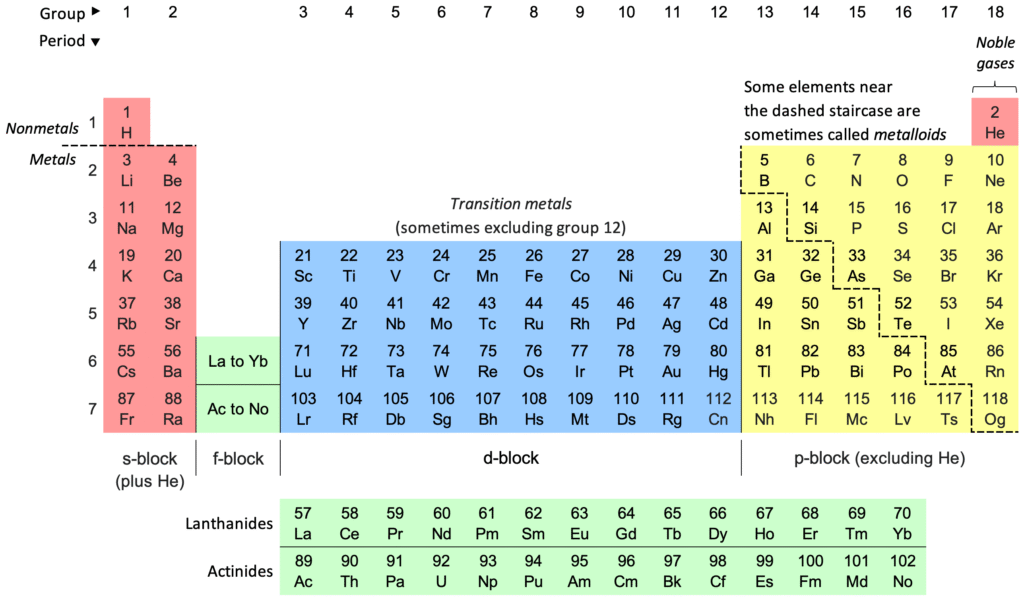
The Periodic Table is a scientific chart that arranges all known chemical elements according to their atomic number (the number of protons in their nucleus), electron configuration, and recurring chemical properties.
The Quantum State

The Quantum State

A quantum state is simply a description of everything we can possibly know about a particle at a given moment. It tells you things like: where the particle is likely to be, how fast it’s moving, what energy level it’s in, what direction it’s spinning (its “spin”), and other properties that define it uniquely.
Fermions

Fermions

Fermions are a class of particles that make up matter itself. Electrons, protons, and neutrons — the very things that form atoms — are all fermions. If you could zoom in on your body at the tiniest scale, everything solid about you would be made of these particles. But what makes them special isn’t just what they’re made of — it’s how they behave.
The Pauli Exclusion Principle

The Pauli Exclusion Principle

Atoms are made up of a nucleus (protons and neutrons) surrounded by electrons. These electrons don’t just float randomly — they live in specific “zones” called orbitals, like seats in a theater. Each seat (orbital) can hold two electrons, but only if they spin in opposite directions. Once that seat is filled, no other electron can sit there — it has to find another orbital or energy level. That’s Pauli’s rule.