Hawking Radiation

Hawking Radiation

Before we look at black holes, let’s start with something simpler: black body radiation. A black body is an idealized object that absorbs all incoming light and energy. It doesn’t reflect or let anything escape. When it gets hot, it emits light based solely on its temperature.
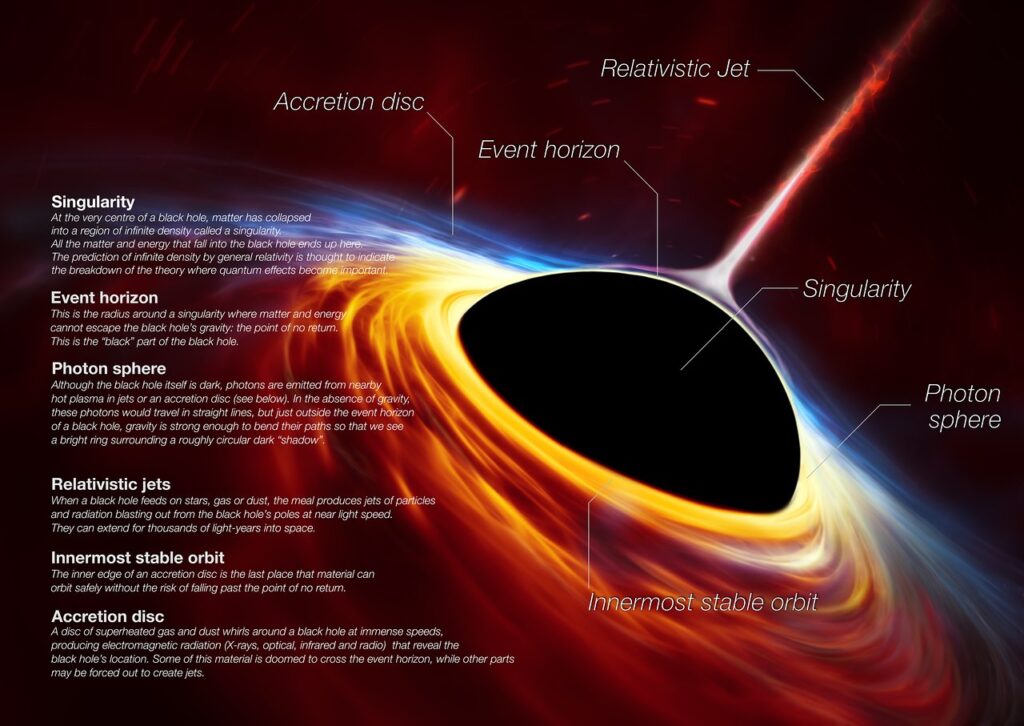
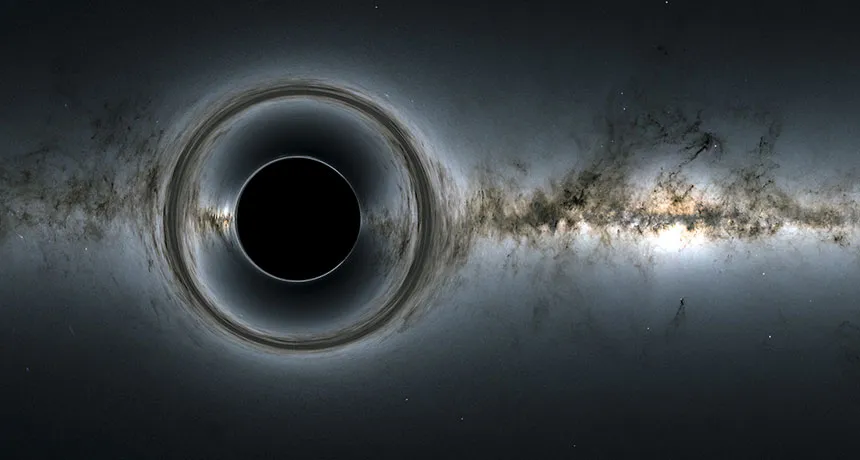
Black Holes

Black Holes

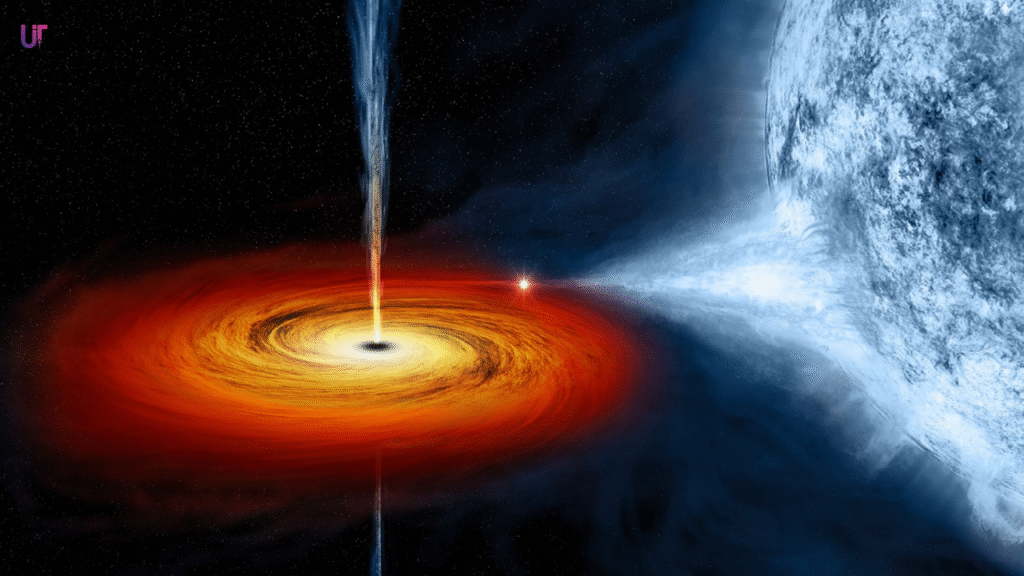
Think about a massive star — far bigger than our Sun — living its life by burning fuel in its core. This burning creates pressure that pushes outward, while gravity pulls inward. As long as these forces balance, the star lives. When the fuel runs out, the outward pressure disappears. Gravity wins.
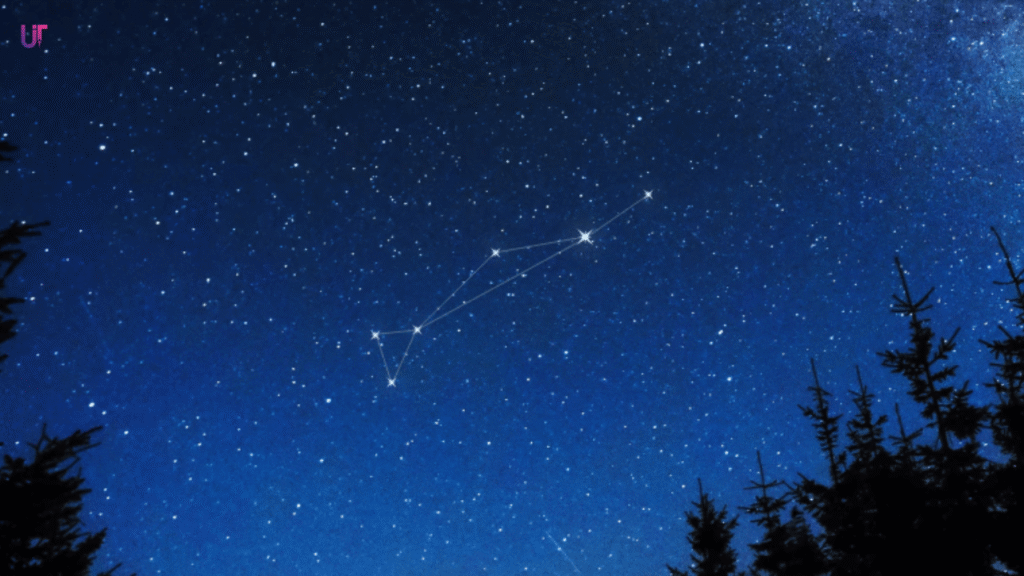
Constellation Dorado — The Cosmic Swordfish

Constellation Dorado — The Cosmic Swordfish

Unlike many ancient constellations tied to Greek and Roman myths, Dorado is a modern constellation, introduced in the late 16th century by Dutch navigators exploring the Southern Hemisphere. Its name, “Dorado” or “golden,” refers to the golden fish, possibly the dolphinfish, popular among sailors in the South Seas.
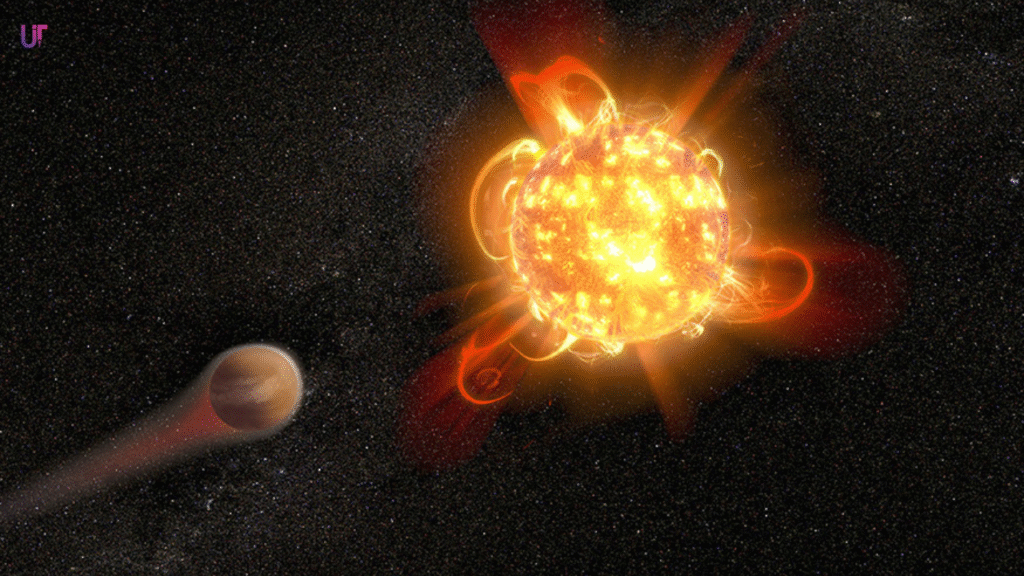
Red Dwarfs – The Quiet Fires of the Universe

Red Dwarfs – The Quiet Fires of the Universe

A red dwarf is a small, relatively cool star that shines with a dim red light. In terms of size, it’s only about 7% to 50% the mass of our Sun. That means if our Sun were a basketball, a red dwarf might be the size of a golf ball. Their “red” color comes from their cool surface temperatures — usually around 2,000 to 4,000°C.
The Chandrasekhar Limit

The Chandrasekhar Limit

Every star has a destiny written in its mass.Some fade gently into white dwarfs.Others collapse into black holes.And between these two fates lies a cosmic boundary — the Chandrasekhar Limit.…