The Periodic Table

The Periodic Table

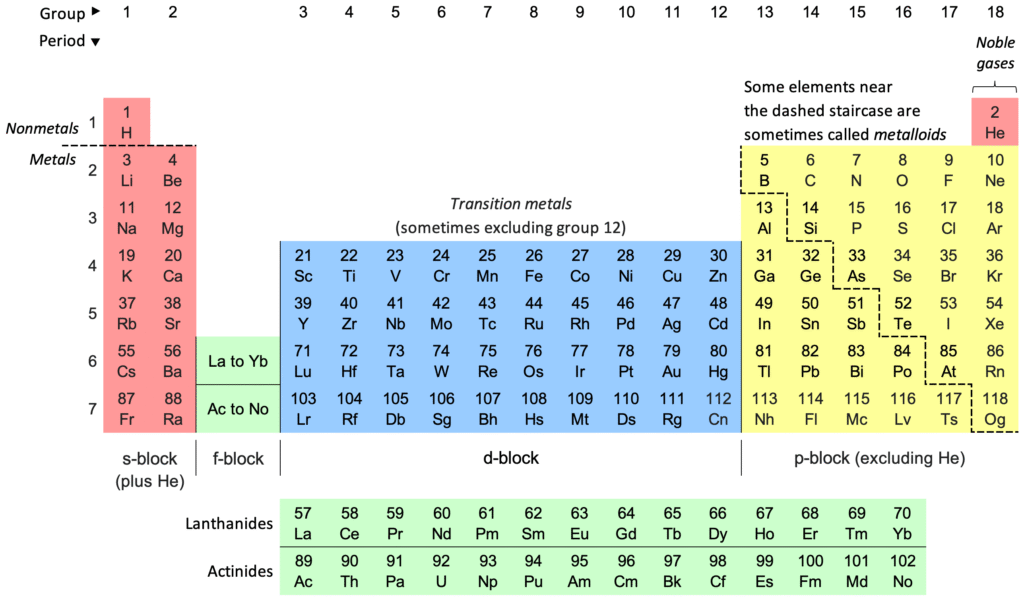
The Periodic Table is a scientific chart that arranges all known chemical elements according to their atomic number (the number of protons in their nucleus), electron configuration, and recurring chemical properties.
The Quantum State

The Quantum State

A quantum state is simply a description of everything we can possibly know about a particle at a given moment. It tells you things like: where the particle is likely to be, how fast it’s moving, what energy level it’s in, what direction it’s spinning (its “spin”), and other properties that define it uniquely.
The Pauli Exclusion Principle

The Pauli Exclusion Principle

Atoms are made up of a nucleus (protons and neutrons) surrounded by electrons. These electrons don’t just float randomly — they live in specific “zones” called orbitals, like seats in a theater. Each seat (orbital) can hold two electrons, but only if they spin in opposite directions. Once that seat is filled, no other electron can sit there — it has to find another orbital or energy level. That’s Pauli’s rule.
Inflammation – An Easy Guide

Inflammation – An Easy Guide

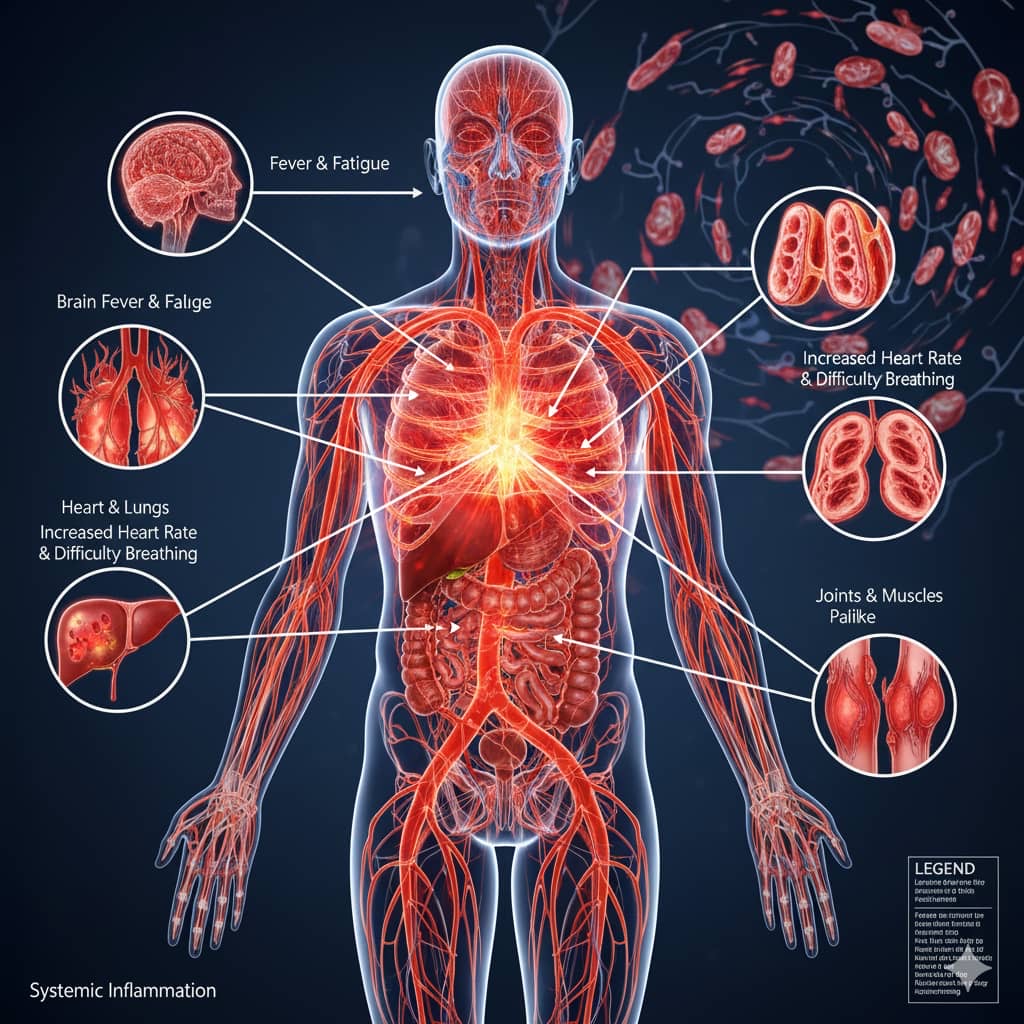
Inflammation is the body’s protective response to injury, infection, or irritation. Its goal is simple: Eliminate the cause of injury (like microbes or toxins). Clear out damaged tissue. Start repair. It is not always harmful — it’s a survival mechanism. But when excessive or uncontrolled, inflammation itself can cause disease.
Kepler’s Laws of Planetary Motion — Simplified

Kepler’s Laws of Planetary Motion — Simplified

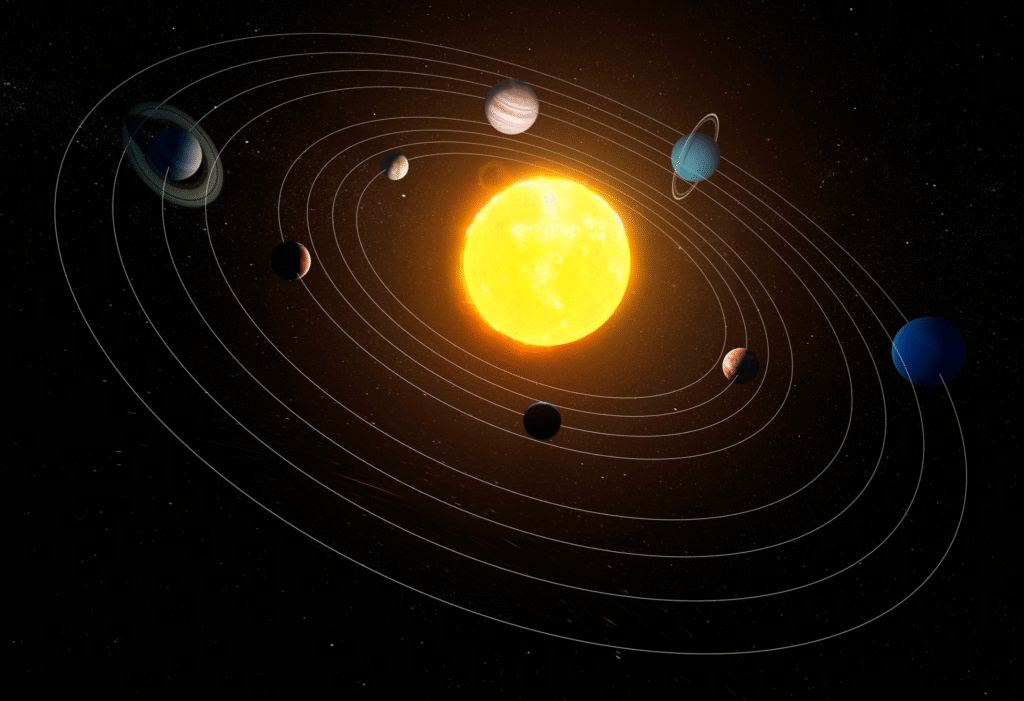
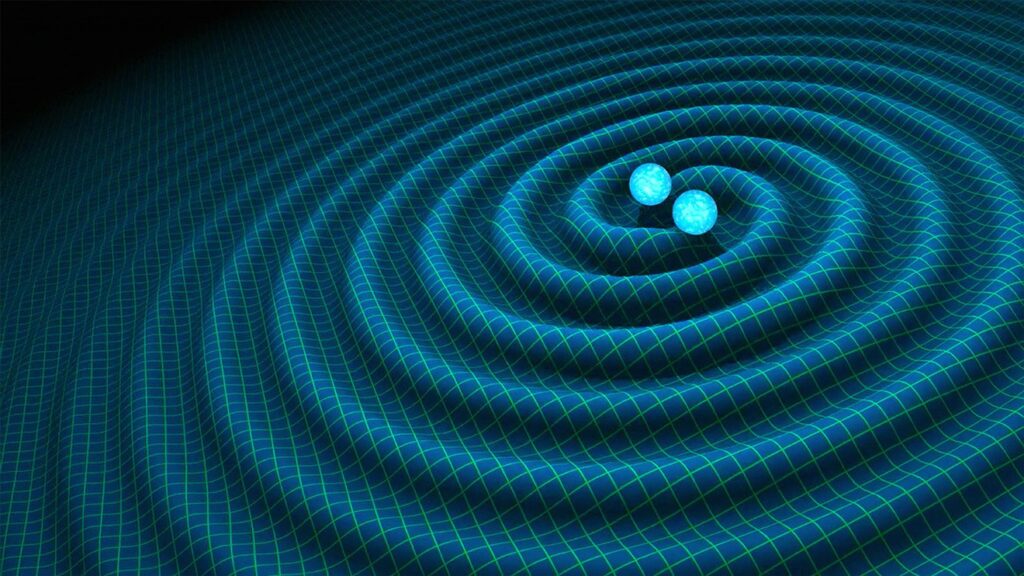
An ellipse is like a stretched circle. Imagine a circle squeezed sideways — that’s an ellipse. An ellipse has two foci. The Sun sits at one, and the other is empty space. Planets are not moving in perfect circles; their distance to the Sun changes as they orbit.
Hypoxic Pulmonary Vasoconstriction

Hypoxic Pulmonary Vasoconstriction

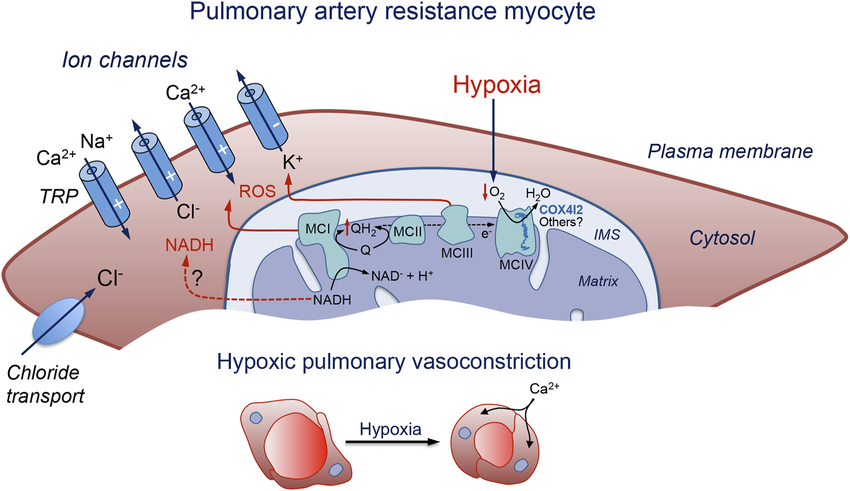
In most of the body, when tissues are low on oxygen, blood vessels open up (dilate) to bring more oxygen. But in the lungs, the opposite happens: low oxygen makes small arteries narrow (constrict). Why? Because the lung’s job is to match airflow (ventilation) with blood flow (perfusion). If one area of the lung isn’t getting air, it makes no sense to send blood there — that blood would leave still “blue” and waste circulation.
Ultrafiltration — A simplified Concept

Ultrafiltration — A simplified Concept

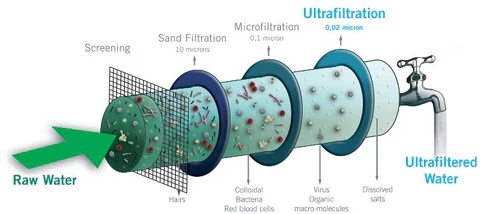
Fluid movement across a semipermeable membrane is driven by opposing forces: hydrostatic pressure (push) and oncotic pressure (pull due to proteins). The generalized Starling equation describes fluid flux (Jv): Jv = Kf × [ (Pc - Pi) - σ(πc - πi) ]
The Cardiac Cycle

The Cardiac Cycle

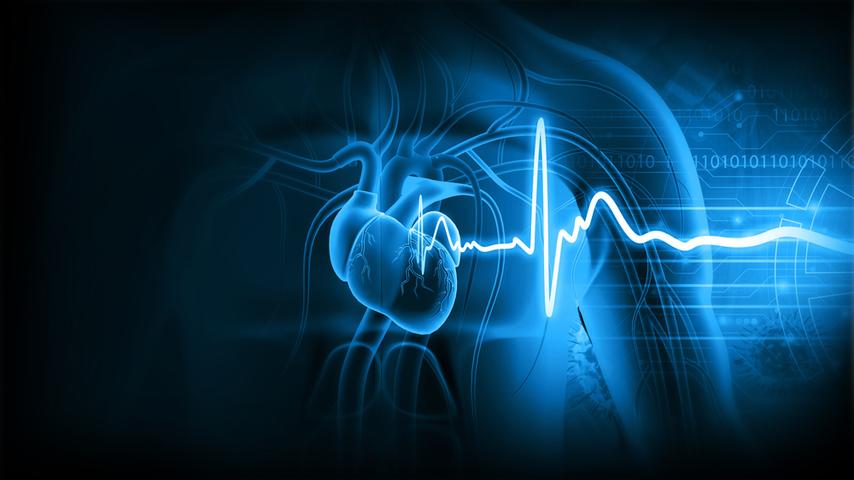
The cycle begins with the atria (the two upper chambers) filling with blood. On the right side, blood comes from the body through the superior and inferior vena cava. On the left side, blood arrives from the lungs via the pulmonary veins