Black Holes

Black Holes

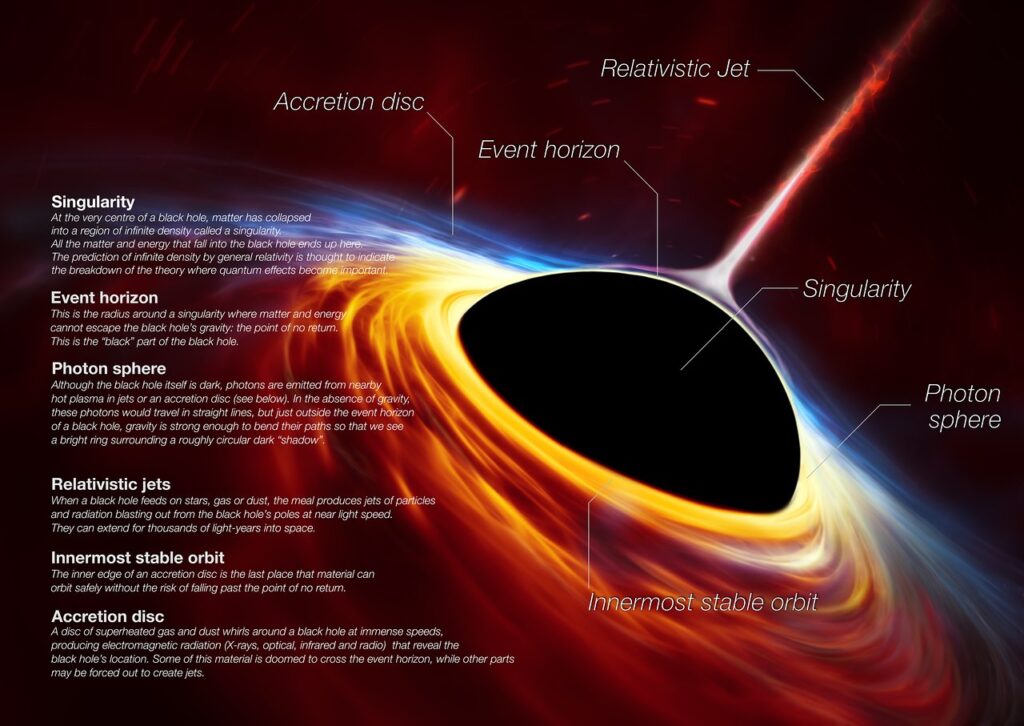
Think about a massive star — far bigger than our Sun — living its life by burning fuel in its core. This burning creates pressure that pushes outward, while gravity pulls inward. As long as these forces balance, the star lives. When the fuel runs out, the outward pressure disappears. Gravity wins.
The Habitable Zone

The Habitable Zone

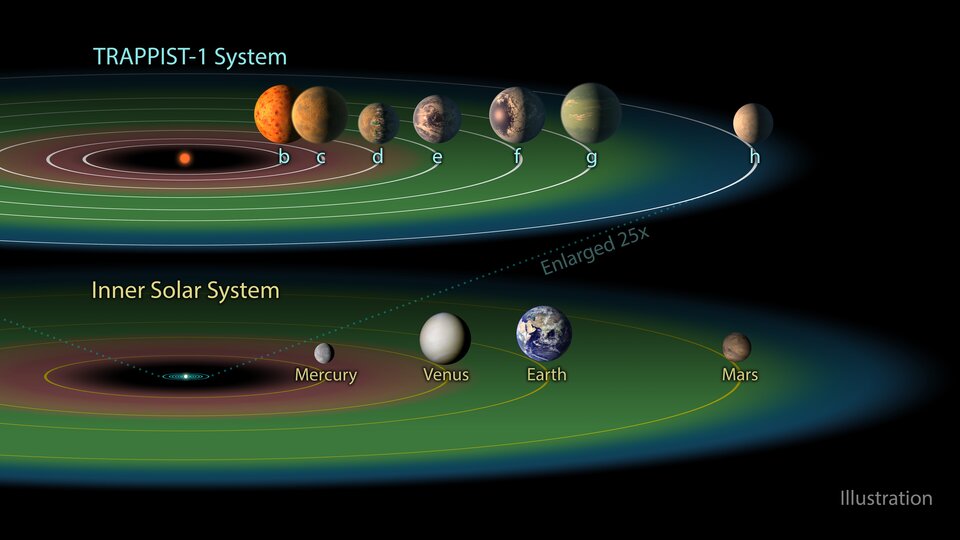
The Habitable Zone is the distance around a star where a planet is just right for water to exist as a liquid on its surface. Not boiling away. Not frozen forever. We call it many names: The Goldilocks Zone (not too hot, not too cold) The Life-friendly Zone The Water Zone
Red Dwarfs – The Quiet Fires of the Universe

Red Dwarfs – The Quiet Fires of the Universe

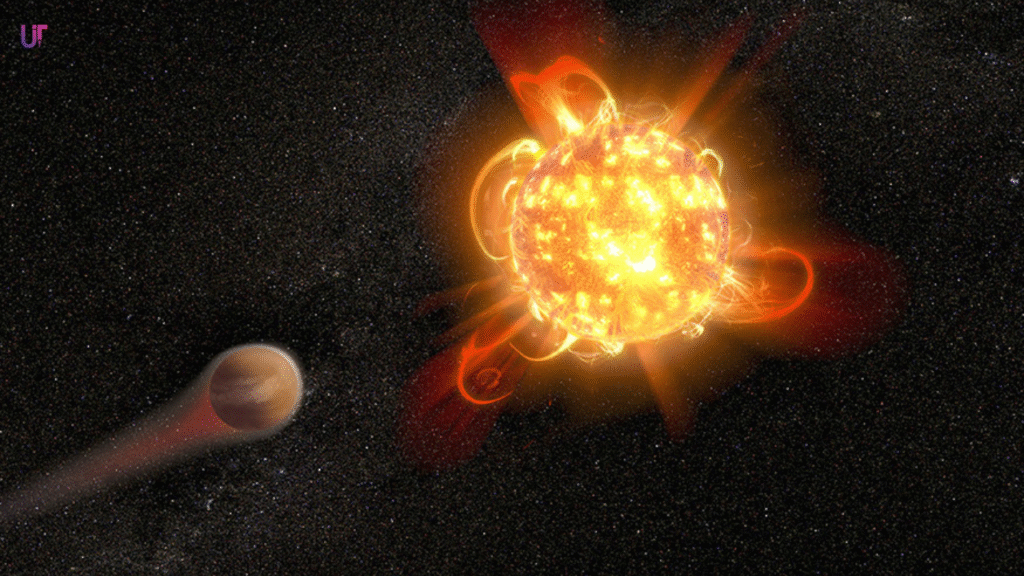
A red dwarf is a small, relatively cool star that shines with a dim red light. In terms of size, it’s only about 7% to 50% the mass of our Sun. That means if our Sun were a basketball, a red dwarf might be the size of a golf ball. Their “red” color comes from their cool surface temperatures — usually around 2,000 to 4,000°C.
55 Cancri e

55 Cancri e

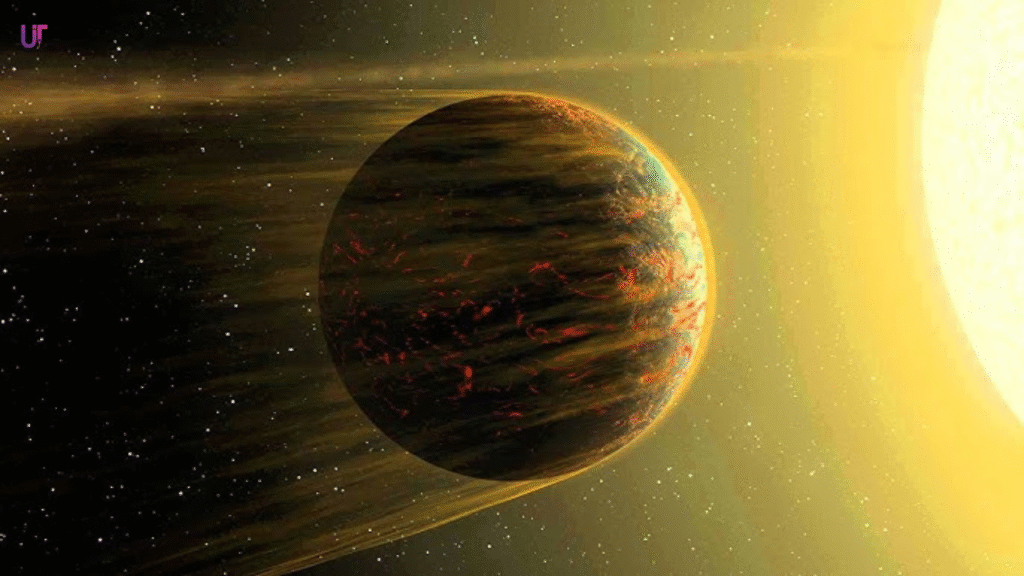
Category: Extreme Worlds | Discovered by NASA’s Spitzer & Other Observatories A World That Sparkles in Theory Imagine a planet where mountains might glitter, where the crust could be rich…
Kepler-22b

Kepler-22b

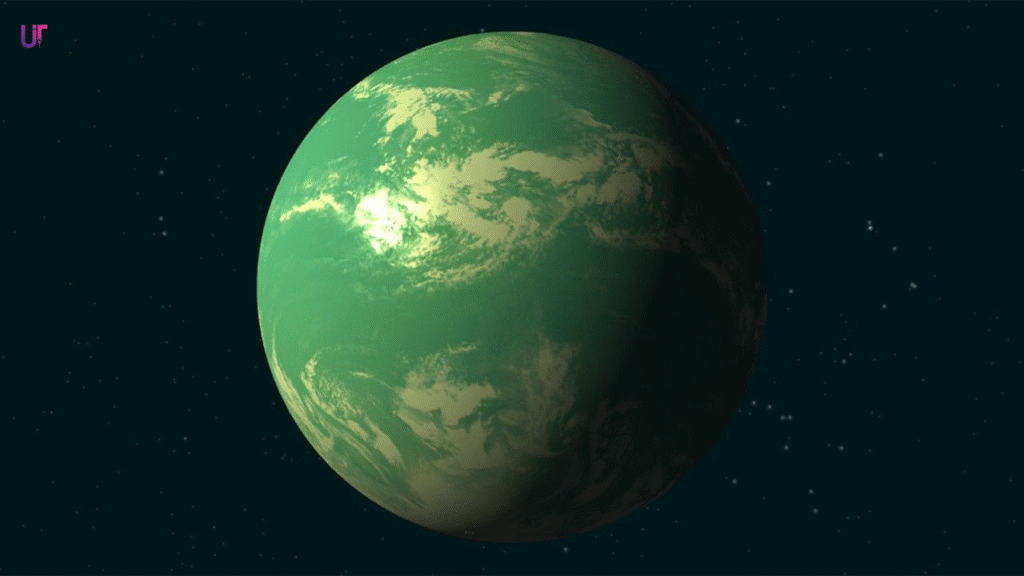
At 2.4 times Earth’s radius, Kepler-22b sits in a curious category between rocky and gaseous worlds. Astronomers call these “super-Earths” or “mini-Neptunes,” planets that may possess thick atmospheres or vast global oceans.
White Dwarf Stars

White Dwarf Stars

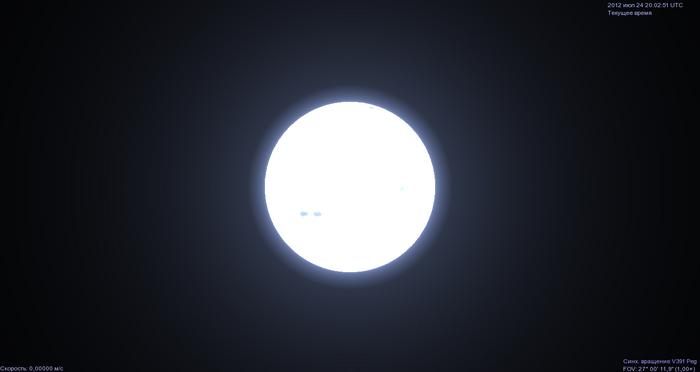
When stars die, they don’t all go out in a blaze of glory. Some fade away — quietly, beautifully — leaving behind a glowing core that tells the story of…