Red Giants

Red Giants

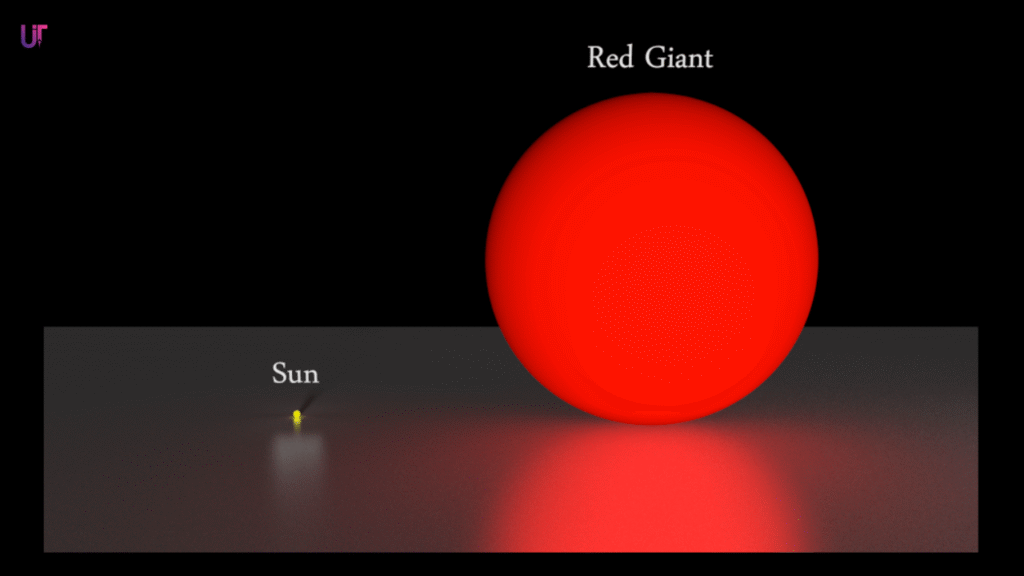
In the main sequence stage (the long middle of a star’s life), a star fuses hydrogen into helium in its core. This fusion produces energy, which pushes outward against gravity’s pull. But once the hydrogen in the core runs out, fusion slows.
Kepler-22b

Kepler-22b

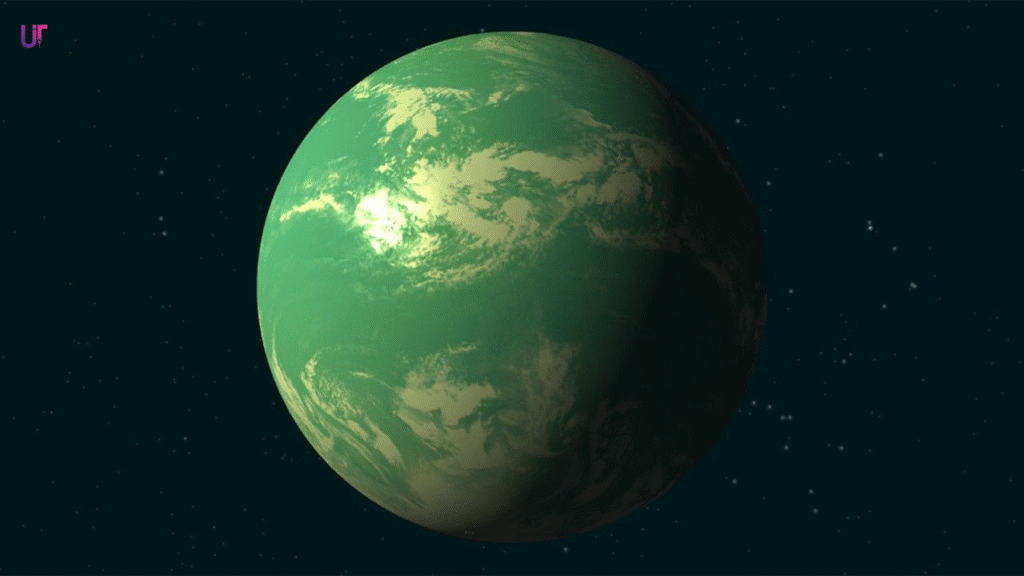
At 2.4 times Earth’s radius, Kepler-22b sits in a curious category between rocky and gaseous worlds. Astronomers call these “super-Earths” or “mini-Neptunes,” planets that may possess thick atmospheres or vast global oceans.
TOI-700 d

TOI-700 d

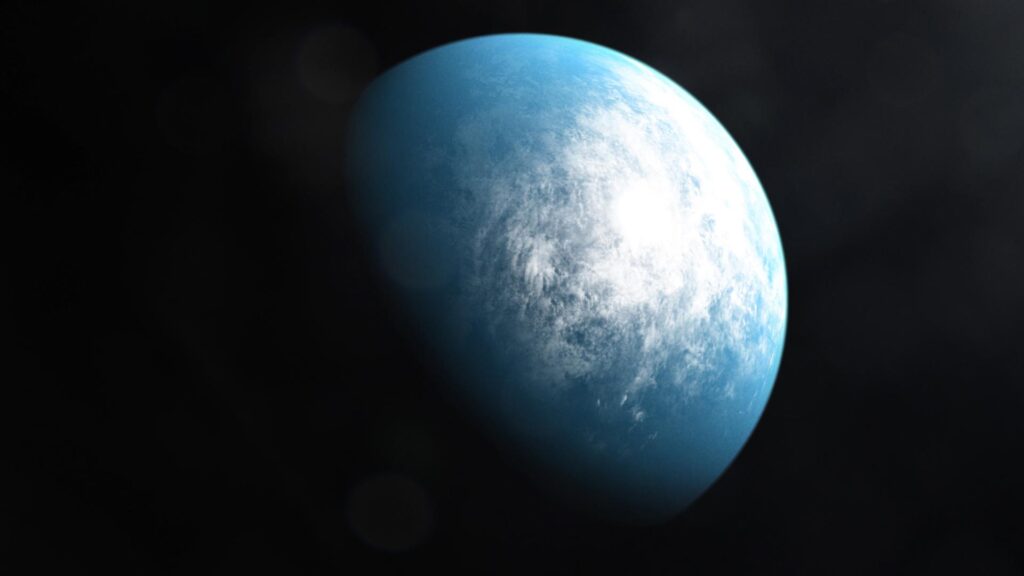
In early 2020, NASA’s Transiting Exoplanet Survey Satellite (TESS) quietly made history. Among thousands of worlds it was scanning, it found a small, rocky planet orbiting a dim red-dwarf star about 100 light-years away in the southern constellation Dorado.
White Dwarf Stars

White Dwarf Stars

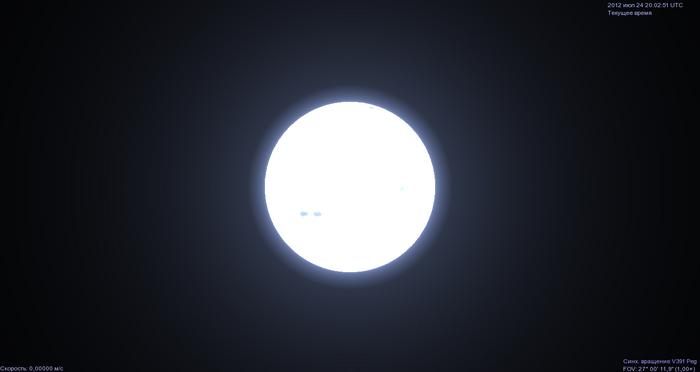
When stars die, they don’t all go out in a blaze of glory. Some fade away — quietly, beautifully — leaving behind a glowing core that tells the story of…