The Chandrasekhar Limit

The Chandrasekhar Limit

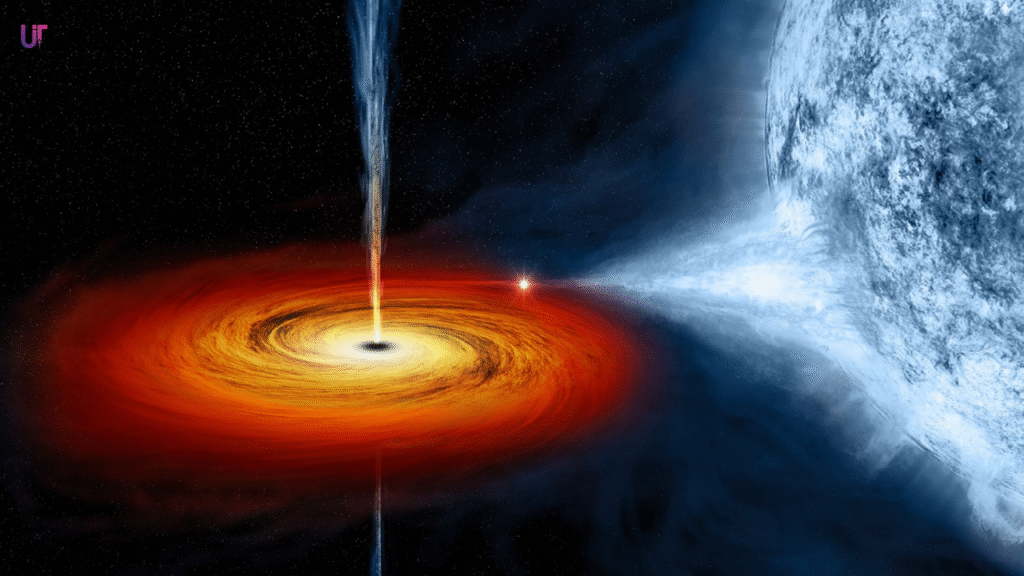
Every star has a destiny written in its mass.Some fade gently into white dwarfs.Others collapse into black holes.And between these two fates lies a cosmic boundary — the Chandrasekhar Limit.…
55 Cancri e

55 Cancri e

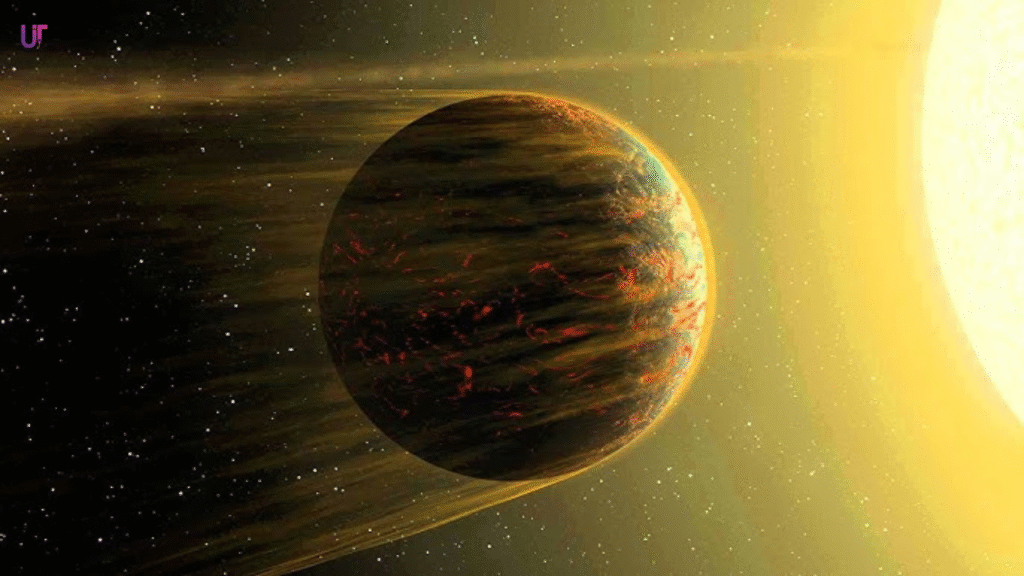
Category: Extreme Worlds | Discovered by NASA’s Spitzer & Other Observatories A World That Sparkles in Theory Imagine a planet where mountains might glitter, where the crust could be rich…
Kepler-22b

Kepler-22b

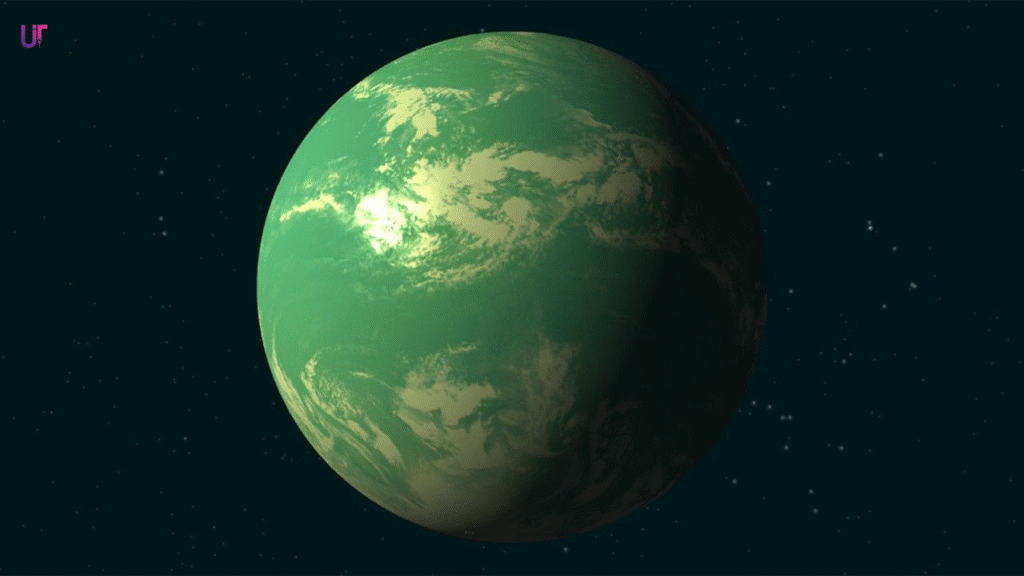
At 2.4 times Earth’s radius, Kepler-22b sits in a curious category between rocky and gaseous worlds. Astronomers call these “super-Earths” or “mini-Neptunes,” planets that may possess thick atmospheres or vast global oceans.
TOI-700 d

TOI-700 d

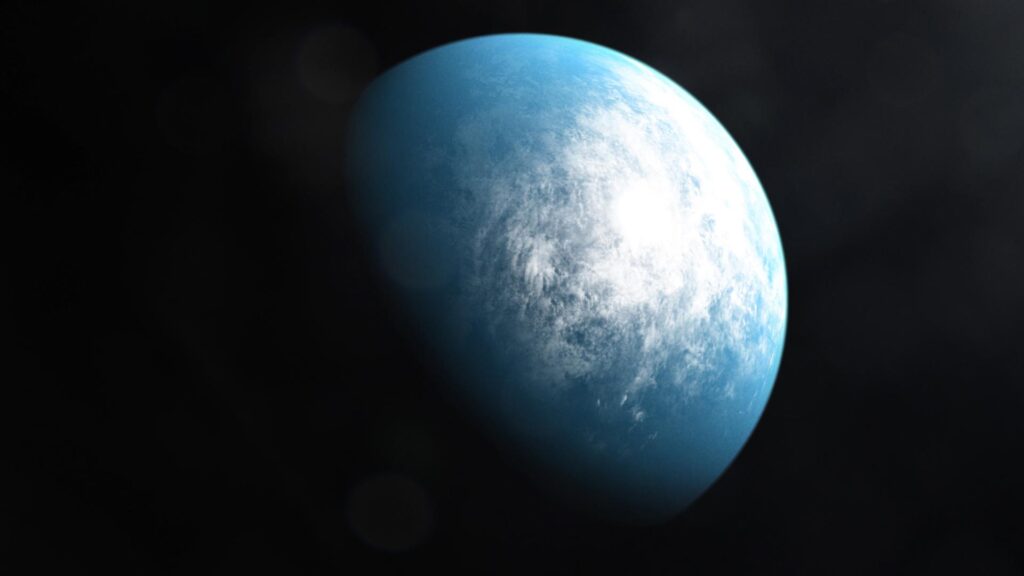
In early 2020, NASA’s Transiting Exoplanet Survey Satellite (TESS) quietly made history. Among thousands of worlds it was scanning, it found a small, rocky planet orbiting a dim red-dwarf star about 100 light-years away in the southern constellation Dorado.
White Dwarf Stars

White Dwarf Stars

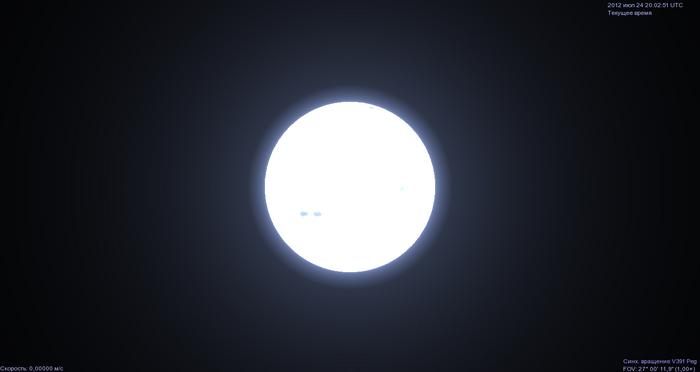
When stars die, they don’t all go out in a blaze of glory. Some fade away — quietly, beautifully — leaving behind a glowing core that tells the story of…
Kepler’s Laws of Planetary Motion — Simplified

Kepler’s Laws of Planetary Motion — Simplified

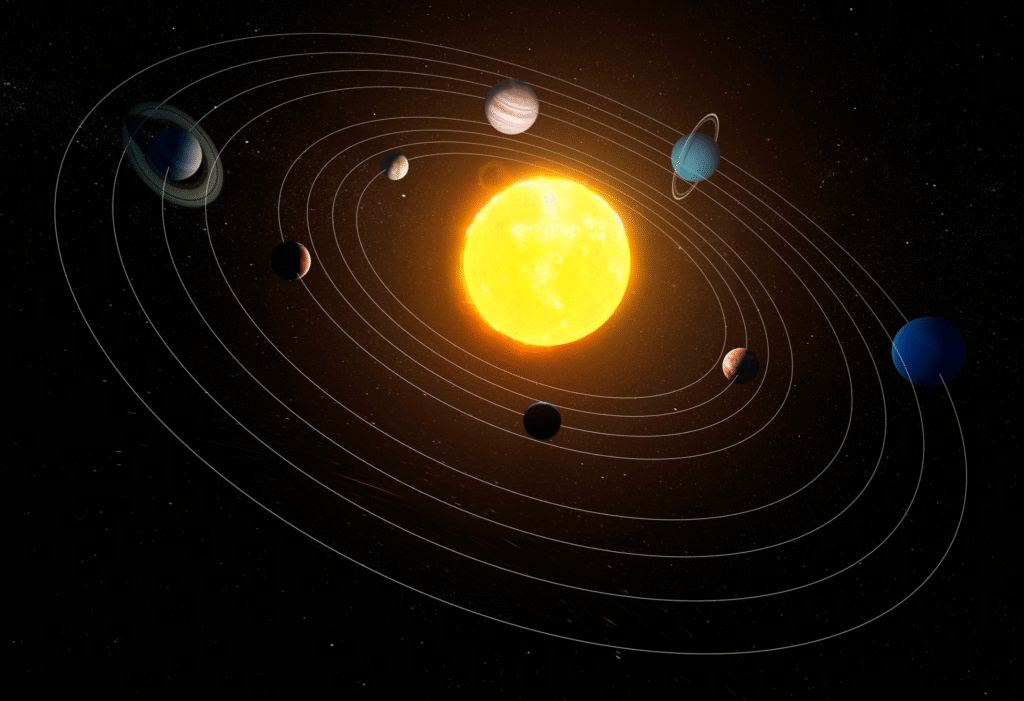
An ellipse is like a stretched circle. Imagine a circle squeezed sideways — that’s an ellipse. An ellipse has two foci. The Sun sits at one, and the other is empty space. Planets are not moving in perfect circles; their distance to the Sun changes as they orbit.
What is the Universe?

What is the Universe?

Imagine you’re sitting in your bedroom. Everything in that room — the chair, your phone, your heartbeat, even the dust floating in the air — is part of your room-verse. Now expand it: add your house, your street, your city, the Earth, the stars, galaxies — keep going. That totality is the universe.