Cardiopulmonary Anastomosis – A Simple Guide

Cardiopulmonary Anastomosis – A Simple Guide

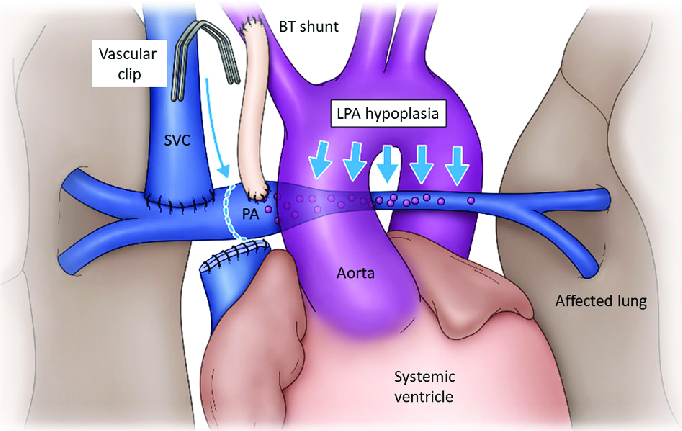
In medicine, anastomosis means a connection or joining between two tubular structures. In the cardiovascular system, it usually refers to the joining of blood vessels that allows alternate routes for blood flow. So, cardiopulmonary anastomosis = the vascular connections between the heart and the lungs that ensure continuous blood supply and oxygen exchange, even if one route is blocked or compromised.
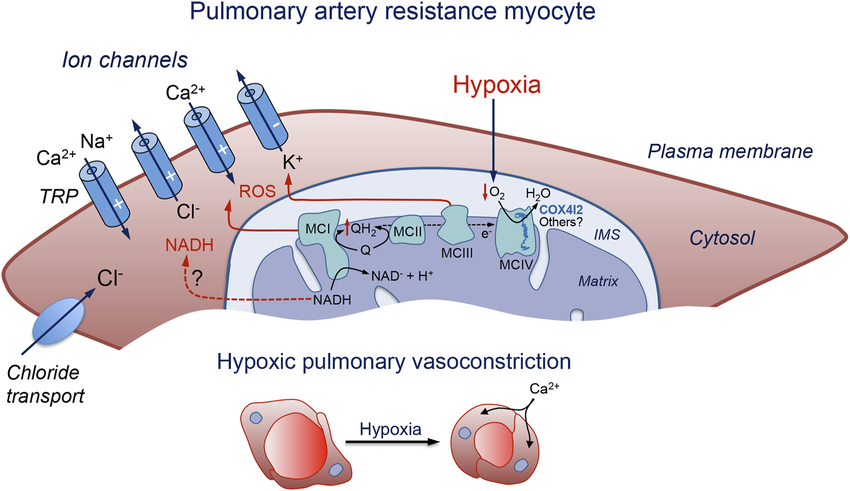
Hypoxic Pulmonary Vasoconstriction

Hypoxic Pulmonary Vasoconstriction

In most of the body, when tissues are low on oxygen, blood vessels open up (dilate) to bring more oxygen. But in the lungs, the opposite happens: low oxygen makes small arteries narrow (constrict). Why? Because the lung’s job is to match airflow (ventilation) with blood flow (perfusion). If one area of the lung isn’t getting air, it makes no sense to send blood there — that blood would leave still “blue” and waste circulation.