Black Holes

Black Holes

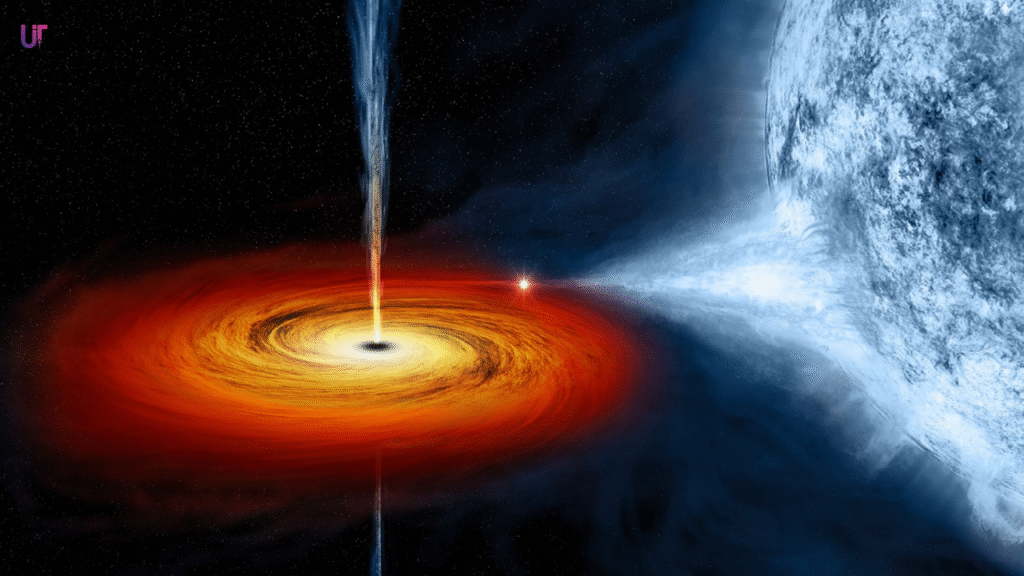
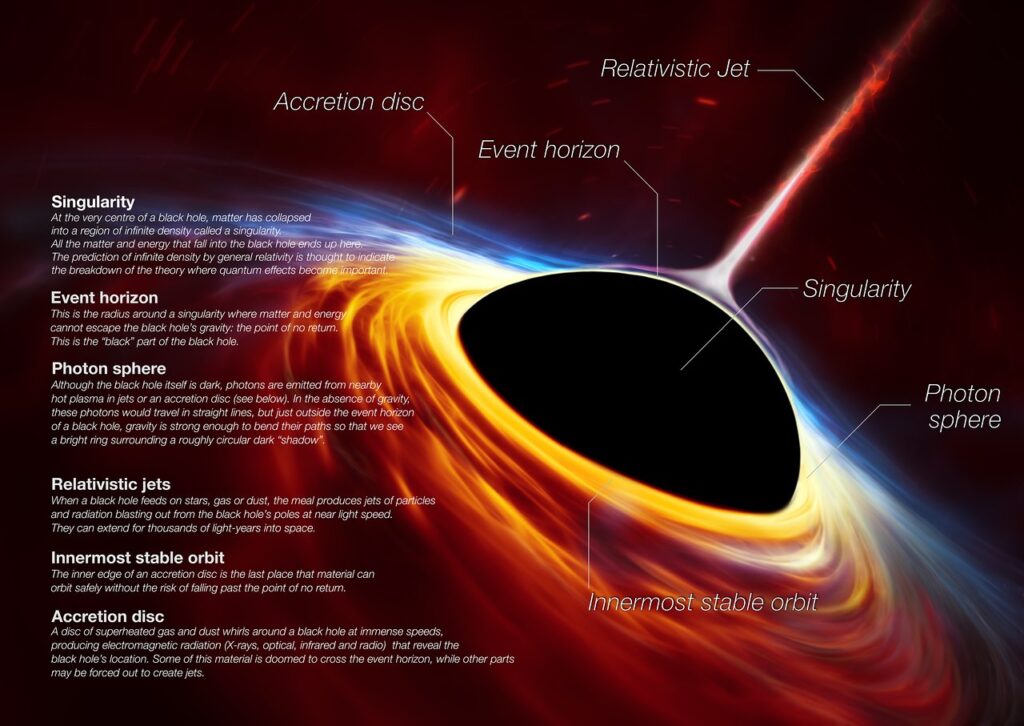
Think about a massive star — far bigger than our Sun — living its life by burning fuel in its core. This burning creates pressure that pushes outward, while gravity pulls inward. As long as these forces balance, the star lives. When the fuel runs out, the outward pressure disappears. Gravity wins.

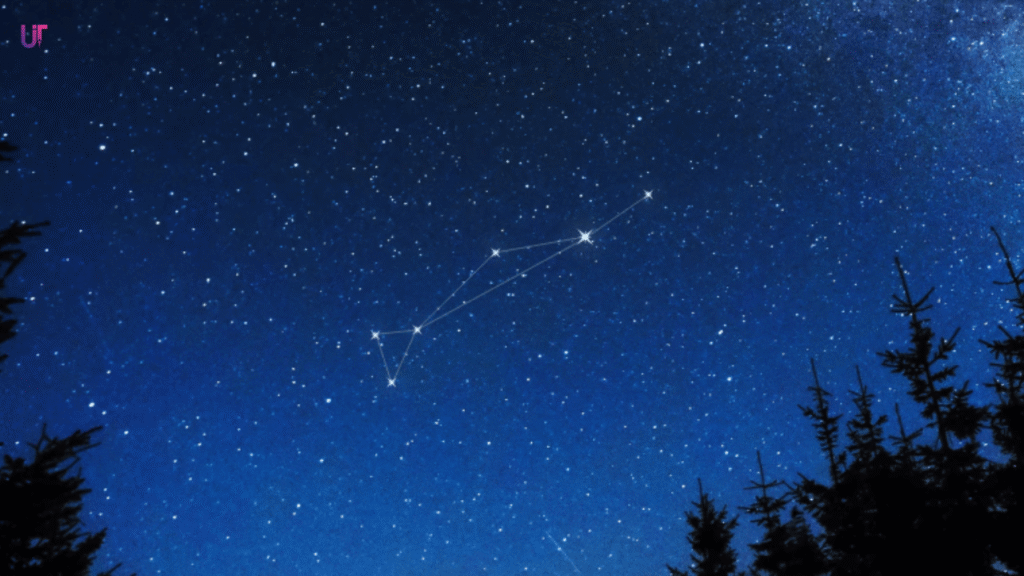
Constellation Dorado — The Cosmic Swordfish

Constellation Dorado — The Cosmic Swordfish

Unlike many ancient constellations tied to Greek and Roman myths, Dorado is a modern constellation, introduced in the late 16th century by Dutch navigators exploring the Southern Hemisphere. Its name, “Dorado” or “golden,” refers to the golden fish, possibly the dolphinfish, popular among sailors in the South Seas.
Red Dwarfs – The Quiet Fires of the Universe

Red Dwarfs – The Quiet Fires of the Universe

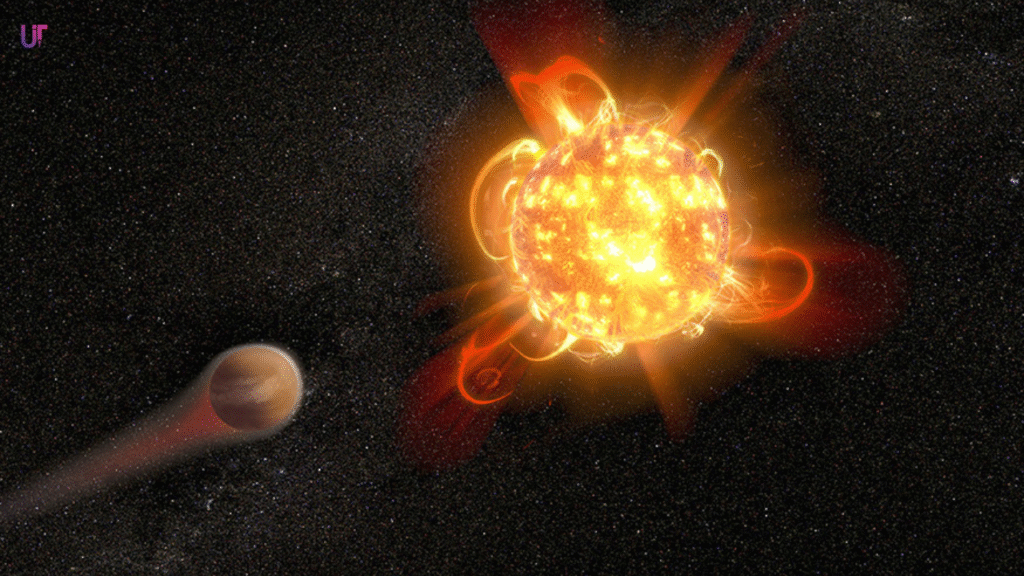
A red dwarf is a small, relatively cool star that shines with a dim red light. In terms of size, it’s only about 7% to 50% the mass of our Sun. That means if our Sun were a basketball, a red dwarf might be the size of a golf ball. Their “red” color comes from their cool surface temperatures — usually around 2,000 to 4,000°C.
The Chandrasekhar Limit

The Chandrasekhar Limit

Every star has a destiny written in its mass.Some fade gently into white dwarfs.Others collapse into black holes.And between these two fates lies a cosmic boundary — the Chandrasekhar Limit.…
White Dwarf Stars

White Dwarf Stars

When stars die, they don’t all go out in a blaze of glory. Some fade away — quietly, beautifully — leaving behind a glowing core that tells the story of…
The Pauli Exclusion Principle

The Pauli Exclusion Principle

Atoms are made up of a nucleus (protons and neutrons) surrounded by electrons. These electrons don’t just float randomly — they live in specific “zones” called orbitals, like seats in a theater. Each seat (orbital) can hold two electrons, but only if they spin in opposite directions. Once that seat is filled, no other electron can sit there — it has to find another orbital or energy level. That’s Pauli’s rule.
Kepler’s Laws of Planetary Motion — Simplified

Kepler’s Laws of Planetary Motion — Simplified

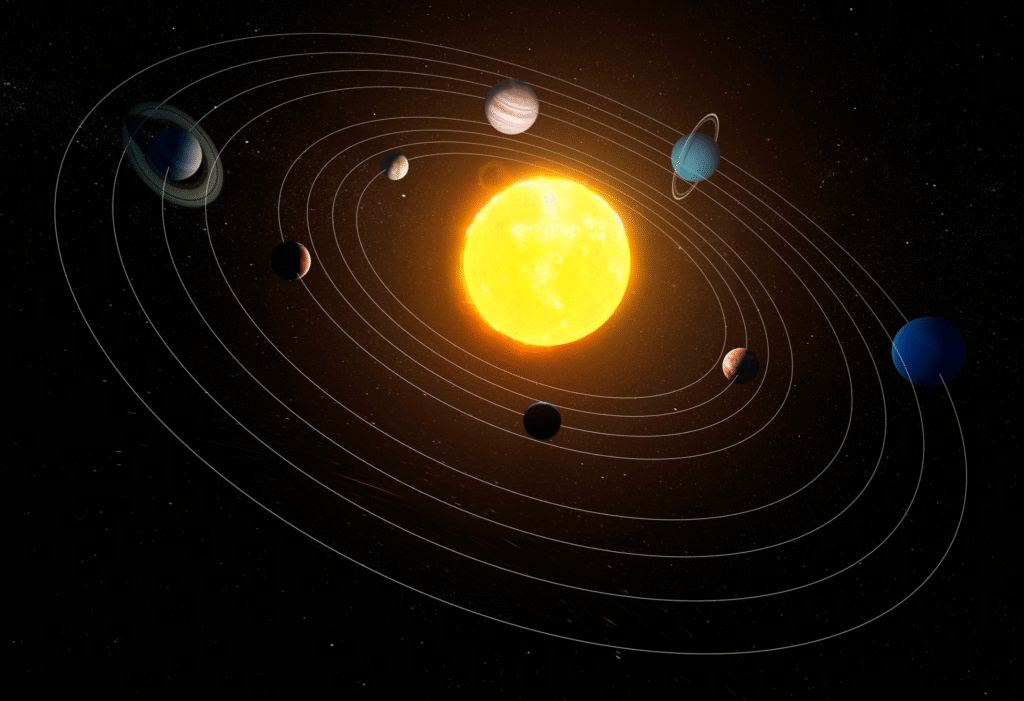
An ellipse is like a stretched circle. Imagine a circle squeezed sideways — that’s an ellipse. An ellipse has two foci. The Sun sits at one, and the other is empty space. Planets are not moving in perfect circles; their distance to the Sun changes as they orbit.